From Protected to Hunted: Germany's Wolves After the Law Changed
Twenty-five years after the first pack made Lusatia its home, the wolf now falls under German hunting law. What 2026 changed, what the figures show, and what researchers know about how wolves affect forests.
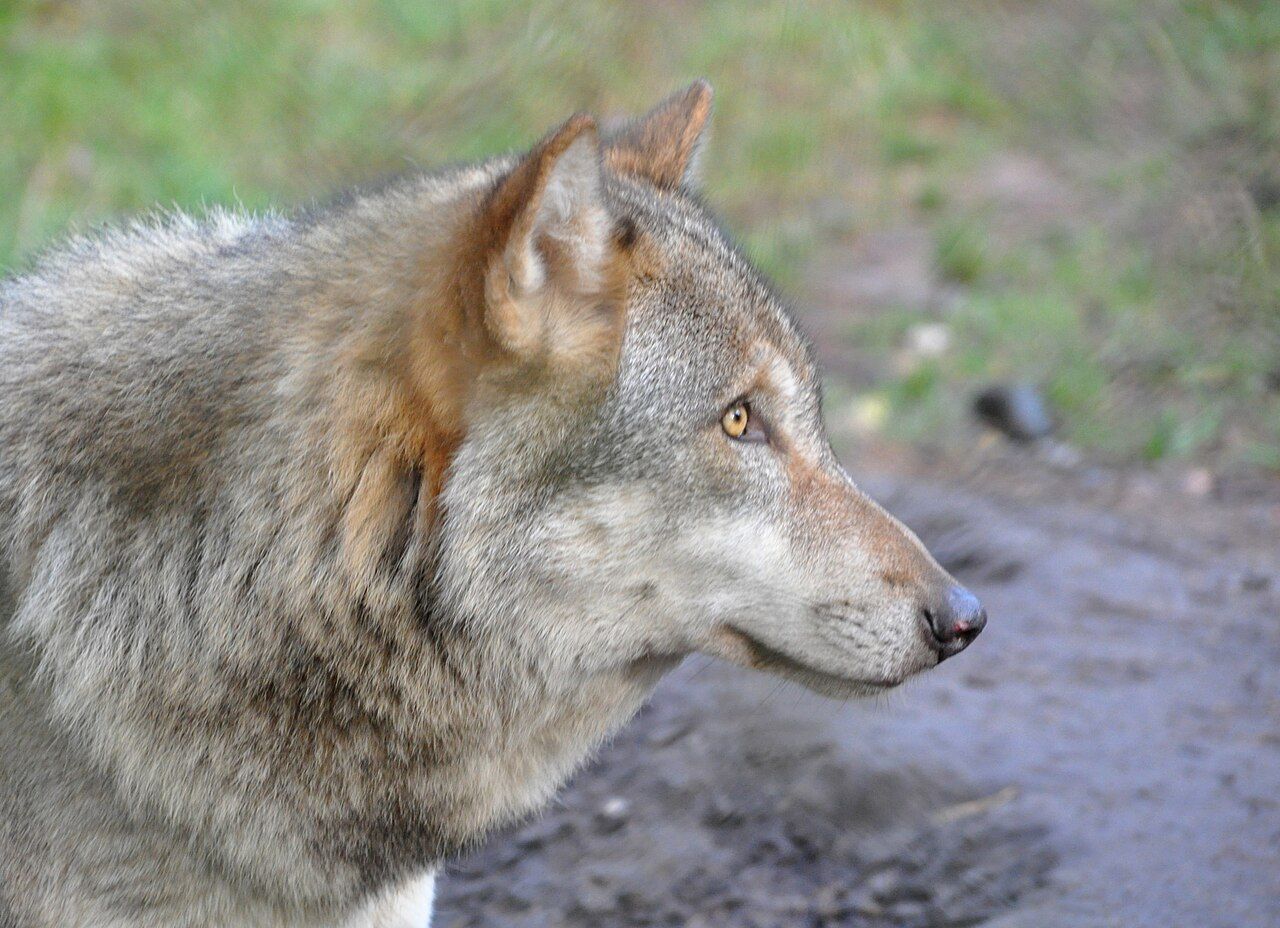
In the Muskau Heath in Lusatia, a wolf pack raised pups in 2000, the first time in more than 150 years that this had happened in Germany. Wolves now live across much of the country. In 2026, politicians responded to that, and from the ground up.
What Has Changed
Three steps led to the change:
- Bern Convention: The wolf's status was downgraded from "strictly protected" to merely "protected." The change was agreed in December 2024 and came into effect on 7 March 2025.45
- EU law: The EU changed the Habitats Directive to match in June 2025.15
- Germany: In March 2026, the Bundestag and Bundesrat voted to bring the wolf under the Federal Hunting Act. The Federal Environment Ministry says the law entered into force on 2 April 2026.1
The circumstances in which wolves may be removed have since been set out in dedicated sections of hunting law (sections 22b to 22f of the Federal Hunting Act).1 Where the wolf has a favourable conservation status, it may be hunted once the competent authority has drawn up a management plan covering several hunting districts.5
What matters is that the wolf is still a protected species under the EU Habitats Directive, and Germany is still obliged to maintain a favourable conservation status.1 The Greens consider the law highly open to legal challenge because it may conflict with the Habitats Directive, and NABU and WWF doubt that it will protect livestock effectively.5
The Numbers
In the 2024/25 monitoring year, the Federal Documentation and Advice Centre on Wolves (DBBW) recorded 219 packs, 43 pairs and 14 territorial single wolves.3 Lower Saxony and Brandenburg have the most territories.3 The count is of territories rather than individual animals: a second pack does not settle where one already lives. The Federal Environment Ministry says that is why the spread results in new areas being settled, not in higher densities.1
Conflict in the Pasture
Wolves bring shepherds and other livestock keepers more work and higher costs, such as for electric fences, guardian dogs and night pens. The federal states help pay for these measures and compensate owners for animals that are killed.1 Groups such as BUND therefore want more money for herd protection, arguing that culls on their own will not end the conflict.8
What Wolves Do to Forests
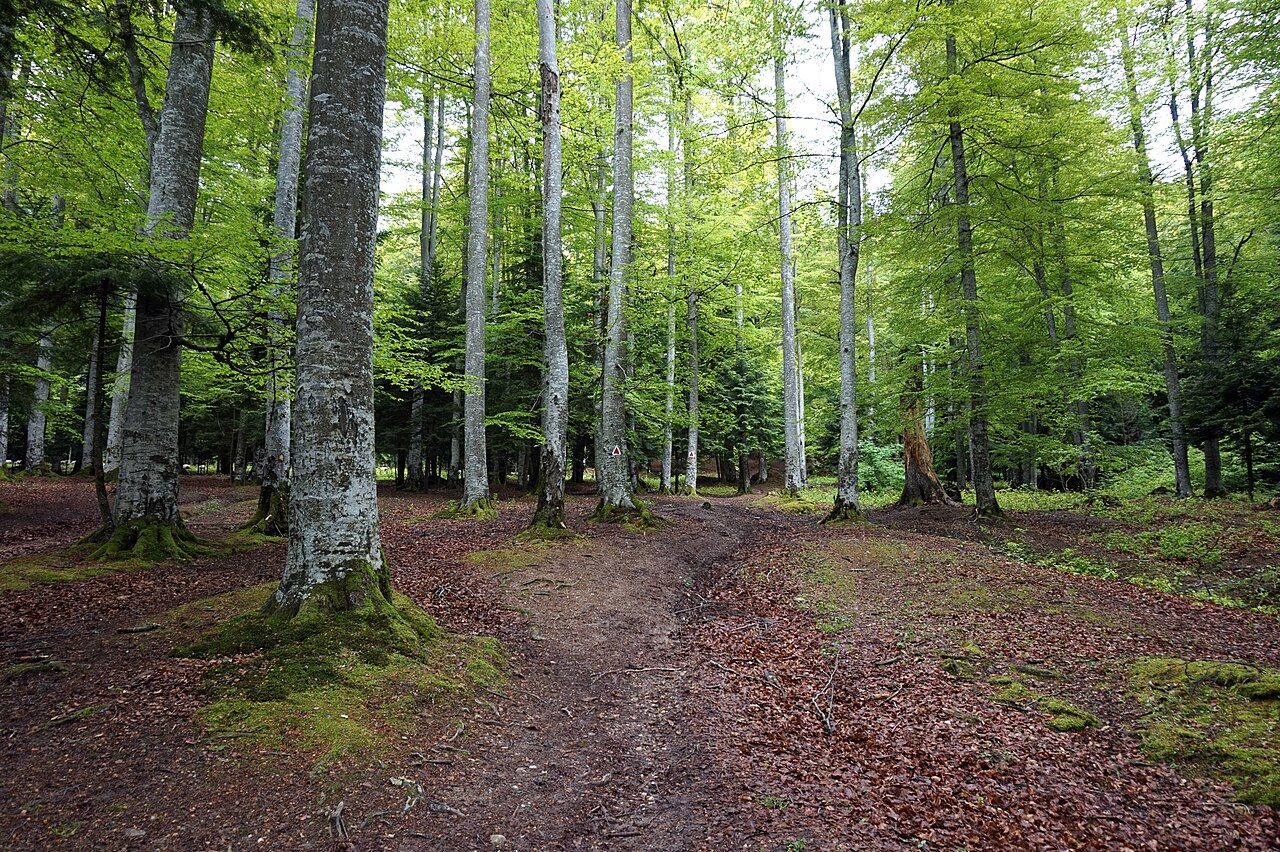
A common claim is that wolves heal forests because frightened deer nibble fewer young trees. Researchers in Europe are more careful. Studies in Poland's Białowieża Forest find that deer and other hoofed animals browse young trees less in the core of wolf territories, especially near fallen logs, where they perceive a higher risk of attack.67 Similar evidence for Germany's heavily human-shaped landscapes is still largely absent.
So whether wolves change German forests is not settled. One thing is clear: how much wildness fits into a cultural landscape cannot be answered by biology alone. It is a political question.
Sources
- German Environment Ministry: the wolf in Germanybundesumweltministerium.de
- DBBW: wolf territories in Germanydbb-wolf.de
- Nordkurier: DBBW figures for 2024/25nordkurier.de
- EuroNatur: Europe weakens wolf protectioneuronatur.org
- LTO: amendment of the Federal Hunting Actlto.de
- Kuijper et al.: landscape of fear in Białowieżaresearch.wur.nl
- van Ginkel et al. 2018, Ecosystemslink.springer.com
- BUND: demands on herd protection (2025)bund.net
Found an error? We correct it and note the change. Corrections policy