Europe's Last Wild Forests: Romania's Old-Growth Woods and the Fight Against Illegal Logging
No EU country outside Scandinavia has more primary and old-growth forest than Romania. More than six years after Brussels opened legal proceedings, the logging goes on, but checks and timber tracking are getting better.
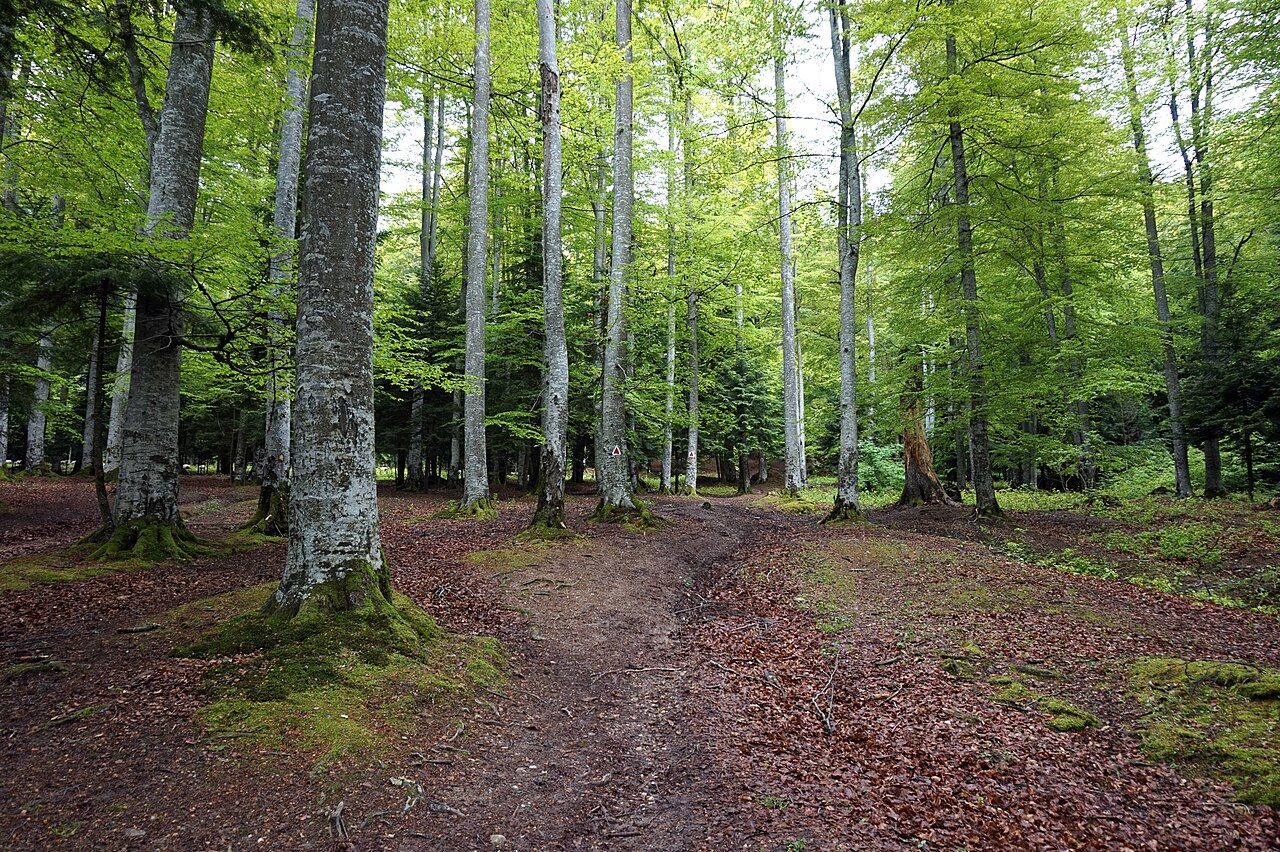
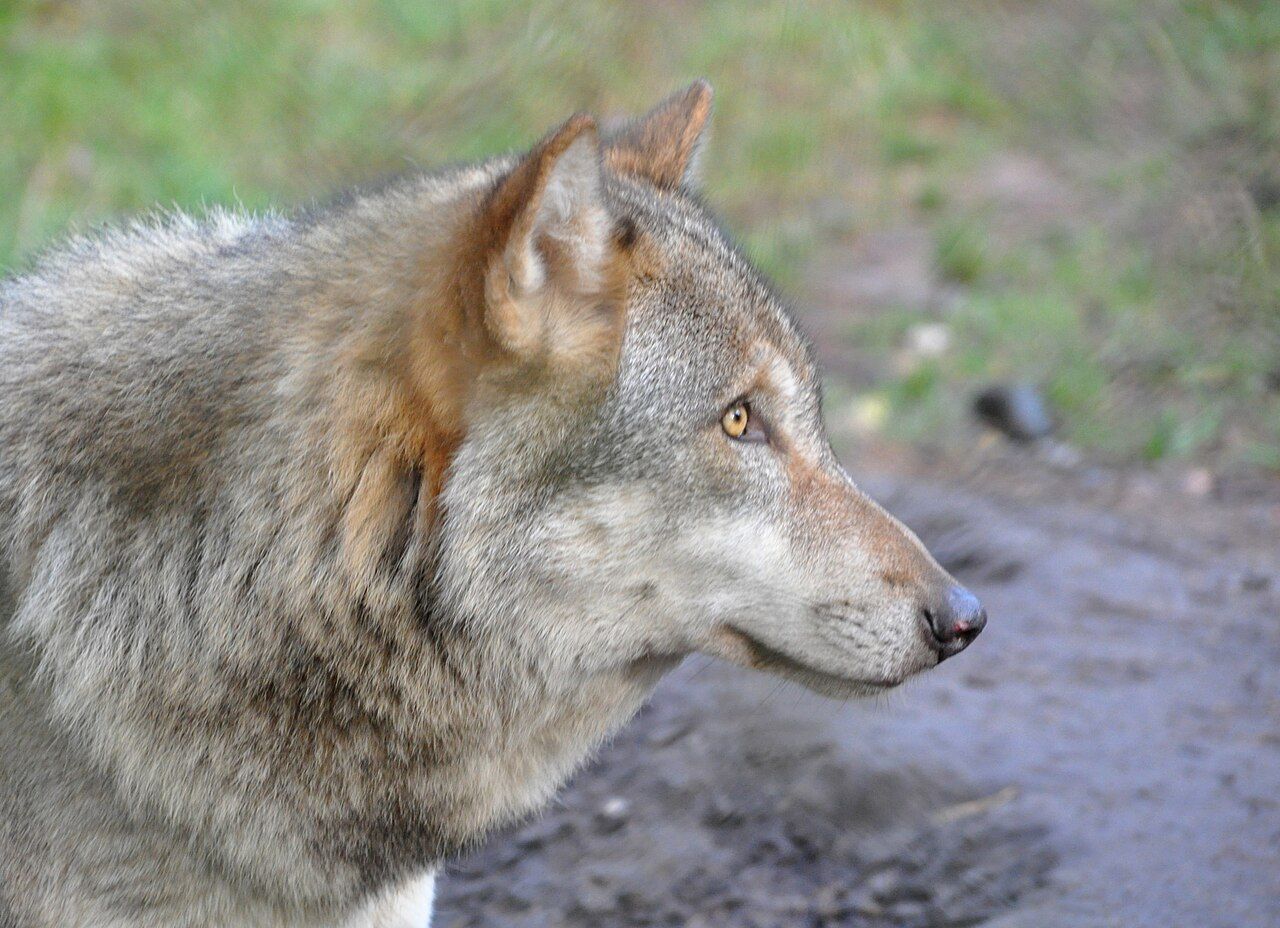
The Carpathian Mountains still hold forests shaped more by nature than by forestry. Bears, wolves, black storks, owls, woodpeckers, bats and beetles live there.1 Some of these woods belong to a UNESCO World Heritage site, the Ancient and Primeval Beech Forests of the Carpathians and Other Regions of Europe, which now takes in 93 component parts in 18 countries.6 For years, the same forests have also been at the heart of Europe's biggest row over illegal logging.
A European treasure
In 2019, an inventory published by the conservation foundation EuroNatur identified around 525,000 hectares of potential primary and old-growth forest in Romania, more than in any EU member state outside Scandinavia. Roughly 300,000 hectares of that area lies in Natura 2000 sites protected by EU law.1
That protection has not stopped the saws. A report by EuroNatur, the Romanian group Agent Green and the Environmental Investigation Agency found that more than 4.7 million cubic metres of wood were taken out of almost 140,000 hectares of primary and old-growth forest between 2021 and 2024. Close to half of these areas are Natura 2000 sites.1 The groups document widespread "sanitary" logging, officially meant to clear damaged trees, and fast successive cuts that leave slopes bare. "The 4.7 million cubic metres of precious wood cut from the last primary and old-growth forests is the equivalent of a line of trucks from Bucharest to Brussels, loaded to the brim with logs," said Gabriel Paun, director of Agent Green.1
An EU case that stalled
Agent Green, ClientEarth and EuroNatur filed a complaint in September 2019, and in February 2020 the European Commission opened infringement proceedings against Romania. Brussels pointed to failures in applying the EU Timber Regulation and the nature directives that protect Natura 2000 sites. A reasoned opinion followed in July 2020, the last stage before a court case, giving Romania one month to act.2 Romania dismissed the accusations as exaggerated and pointed to legal changes in the pipeline.2
In December 2024, the NGOs said the Commission had not referred the case to the EU Court of Justice, and that the destruction had continued.1 The Commission has also sent Romania a reasoned opinion over its failure to fully implement the Habitats Directive.1
A minister changes the tone
Inside Romania, the official line is no longer the same. On 10 August 2026, Interim Environment Minister Diana Buzoianu announced that one of the largest areas of illegal logging in the country had been found in Brașov County, where about 5,000 trees had been felled without the required permits.3 The problem, she said, had been played down: "This phenomenon continues to exist, and I am glad that the authorities are finally taking the necessary measures to increase the number of cases they discover."3
Buzoianu said inspections rose sharply once the leadership of the Forest Guard had been replaced. December 2025 alone accounted for about 30 percent of all the damage inspectors found that year.3 Earlier in 2026, inspectors also discovered that staff of the state forestry company Romsilva had clear-cut several hectares of the well-known Hoia-Baciu forest near Cluj-Napoca.3
Tracking every truck
Romania's main weapon against illegal timber is SUMAL, a digital system that records timber transports. Each load has to be registered with a transport document and photos, and the public can see the data on the Inspectorul Pădurii (Forest Inspector) platform.4 WWF Romania says the system has cut down on traditional fraud, but still does not send out automatic alerts.4
Between December 2025 and March 2026, WWF observers recorded 325 timber transports by 97 operators in 13 forest districts. Of the loads whose volume could be checked, about one in six was carrying significantly more wood than declared. A review of 4,300 transport documents in February 2026 confirmed that overloading is the biggest weak spot.4 "The report's findings show that the problem is no longer the lack of data, but their insufficient use for the prevention and automated detection of non-compliance," said Cătălin Vasile, a forestry expert at WWF Romania.4
Paying to leave trees standing
Money is part of the answer too. In 2023, the European Commission cleared a 200-million-euro Romanian state aid scheme that compensates private forest owners for wood they are not allowed to cut because of mandatory ecological requirements. The scheme runs until the end of 2027.5
Private conservation also plays a role. Foundation Conservation Carpathia, active in the Făgăraș Mountains, says it now protects more than 28,000 hectares of forest and has replanted more than 2,300 hectares.7
Why it matters beyond Romania
Under the EU Deforestation Regulation, large and medium-sized companies must show from 30 December 2026 that the wood they sell in the EU was produced legally and without deforestation.8 Whether the new rules work will also be tested in the Carpathians.
Sources
- EuroNatur: new report on logging in Romania's old-growth forests (Dec 2024)euronatur.org
- Fern: EU enforcement is overdue (2022)fern.org
- Romania Insider: 5,000 trees cut illegally in Brașov County (11 Aug 2026)romania-insider.com
- WWF Romania: timber traceability monitoring report (June 2026)wwf.ro
- European Commission: €200 million Romanian scheme for forest owners (Aug 2023)romania.representation.ec.europa.eu
- UNESCO: Ancient and Primeval Beech Forests of the Carpathians and Other Regions of Europewhc.unesco.org
- Foundation Conservation Carpathiacarpathia.org
- Regulation (EU) 2023/1115 on deforestation-free products (EUR-Lex)eur-lex.europa.eu
Found an error? We correct it and note the change. Corrections policy