Heat Pump or Gas? What the New Rules Mean for Homeowners in Germany, Austria and Switzerland
Germany has scrapped its 65 percent rule, Austria no longer allows gas heating in new buildings, and in Switzerland it is up to the cantons. Which rules apply where, what each system costs to run, and what to weigh up before replacing a boiler.
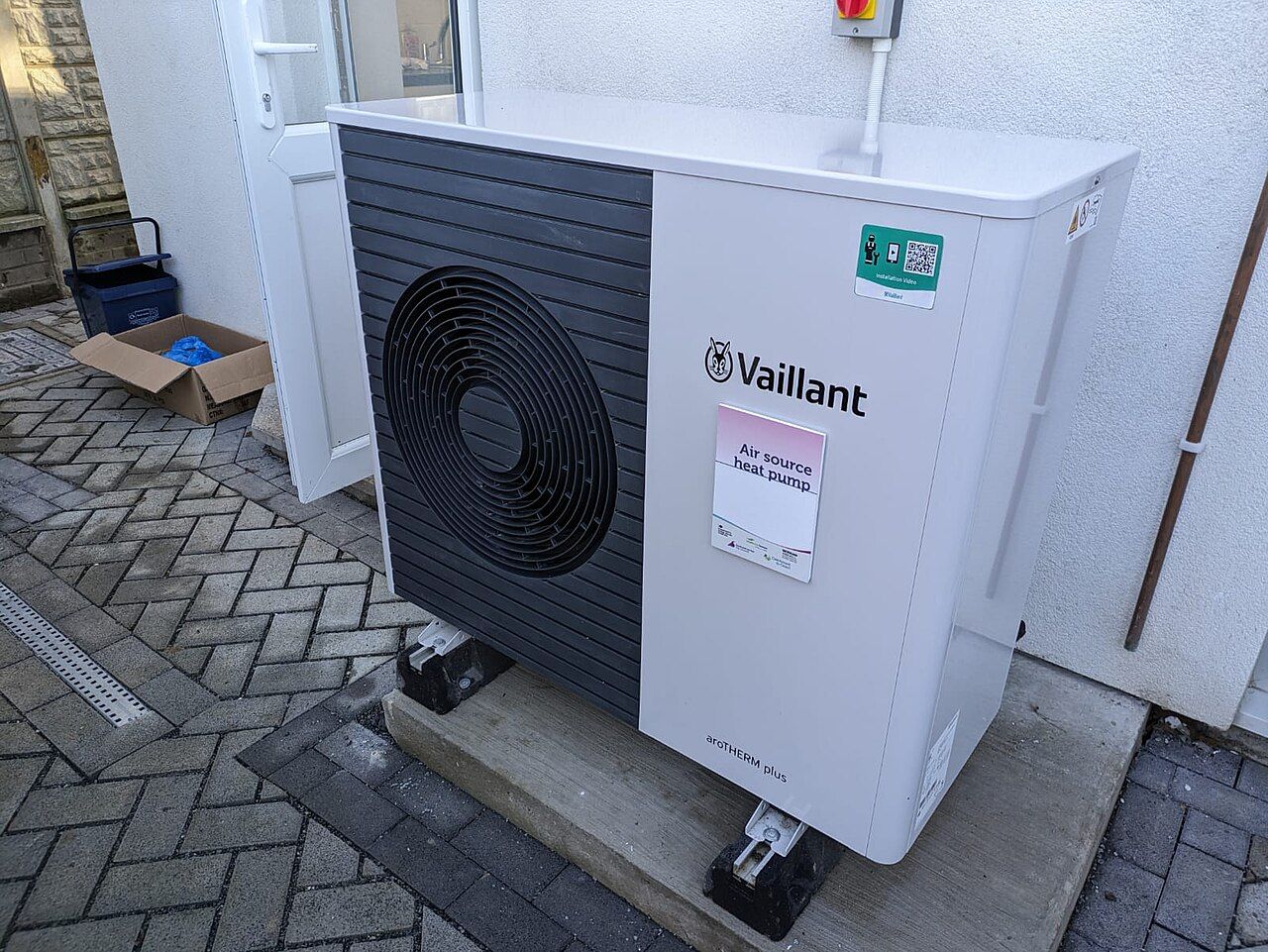
A new heating system is one of the costliest and longest-lasting choices a household makes. Germany, Austria and Switzerland have taken different paths on the rules that govern it, and in Germany those rules were rewritten again this summer.
Germany: gas is allowed again, with conditions
Germany's Building Modernisation Act took the place of the old Buildings Energy Act, widely known as the heating law, on 29 July 2026. Gone is the rule that new heating systems must run on at least 65 percent renewable energy. New gas and oil boilers may be installed again, but from 2029 they have to burn a growing share of climate-friendly fuels such as biomethane or bio heating oil: 10 percent from 2029, 15 percent from 2030, 30 percent from 2035 and 60 percent from 2040. By 2045, all heating fuels have to be climate-neutral.1 A separate law introducing a green gas and green heating oil quota for fuel suppliers is due from the government by 1 December 2026.2
Landlords who put in new fossil heating will pay half of the grid fees and the CO₂ price from 2028, and half of the additional cost of bio-based fuels from 2029, with a number of exceptions.2 There is no obligation to replace a heating system that still works. KfW funding for climate-friendly heating remains in place: since 21 July 2026 it covers 30 to 80 percent of eligible costs, which are capped at 28,000 euros for the first housing unit. That cap is due to fall step by step from 1 February 2027.1
The reform has drawn criticism. Opponents say it puts the climate neutrality by 2045 that the constitution requires much further out of reach, and the environmental group Deutsche Umwelthilfe has lodged a constitutional complaint.1
Buyers had already started to change course. For the first time, more heat pumps than gas boilers were sold in Germany in 2025, and sales in the first half of that year were 55 percent above the same period a year earlier.3
Do heat pumps work in old houses?
The Fraunhofer Institute for Solar Energy Systems tested heat pumps in the field in single-family homes built between 1826 and 2001. The 22 air-source heat pumps it evaluated achieved a seasonal performance factor of 3.3 on average, ranging from 2.4 to 4.0. Put simply, each kilowatt hour of electricity yielded an average of 3.3 kilowatt hours of heat. Ground-source heat pumps came in between 3.6 and 5.2. Measured against a gas boiler, the systems would cut greenhouse gas emissions by 18 to 62 percent.4
What it costs to run
Eurostat figures for the first half of 2026 show German households paying an average of 36.2 euros per 100 kilowatt hours of electricity and 11.6 euros per 100 kilowatt hours of gas. Austrian households paid 32.6 euros for electricity and 12.4 euros for gas.5
Ecodemia's rough estimate: at a performance factor of 3.3 and these average prices, a kilowatt hour of heat from a heat pump comes to about 11.0 cents in Germany and 9.9 cents in Austria. Even a very efficient condensing boiler gets little more than one kilowatt hour of heat from a kilowatt hour of gas, so its heat costs about as much as the gas or more: roughly 11.6 cents in Germany and 12.4 cents in Austria. In both countries the heat pump is cheaper to run, though in Germany the gap is small. The estimate leaves out purchase costs, special heat pump tariffs, and the rising CO₂ price and bio-fuel quota that will push up the cost of gas.
Austria: no gas in new buildings
Austria has taken a tougher line. Its Renewable Heat Act has prohibited heating systems capable of running on fossil fuels in new buildings since February 2024. For buildings that already exist, the country is relying on subsidies.6
On 2 November 2026, a new round of federal funding for replacing boilers in single- and two-family homes got under way. Households switching from fossil heating to a heat pump receive a flat 5,000 euros, to district heating 4,000 euros and to wood heating 6,000 euros. A bonus for drilling for ground-source heat pumps is still available. The climate ministry has set aside 179 million euros for boiler replacement in 2027.7
Switzerland: the cantons decide
Roughly 60 percent of Switzerland's 1.5 million residential buildings still use fossil fuels for heating, and some 900,000 oil and gas heating systems remain in service. Reaching net zero by 2050 would mean replacing around 30,000 of them each year. More than half of the energy used to heat buildings still comes from heating oil, and a quarter from gas.8
Responsibility lies mainly with the cantons, whose energy laws follow the cantons' model regulations (MuKEn 2014), though often only in part. The model rules say that when an oil or gas heating system in an existing home is replaced, 10 percent of the energy it used must come from renewables, or 10 percent must be saved through efficiency measures. Tighter rules, under the name MuKEn 2025, are already being discussed in the cantons.9
What to check before replacing a boiler
- Local rules and plans: In Germany, the municipal heating plan tells you whether district heating is planned where you live.1 In Switzerland, your canton's energy law applies.9
- Subsidies: Look up the current conditions and whether they are about to change, as they will in Germany from February 2027.1
- Long-term costs: For a new gas boiler, include the bio-fuel quota, the CO₂ price and possibly higher gas grid fees over the years it will run.1
Sources
- ADAC: what the Building Modernisation Act regulates (3 Nov 2026)adac.de
- BDEW: Building Modernisation Act adopted (21 July 2026)bdew.de
- IEA: Global Energy Review 2026, heat pumpsiea.org
- Fraunhofer ISE: heat pump field test in existing homes (1 Mar 2024)ise.fraunhofer.de
- Euronews on Eurostat household prices, first half of 2026 (12 Nov 2026)euronews.com
- oesterreich.gv.at: Renewable Heat Act (2024)oesterreich.gv.at
- Austrian climate ministry: subsidies for renovation and boiler replacementbmluk.gv.at
- Raiffeisen: how Switzerland heats (9 June 2026)raiffeisen.ch
- Raiffeisen: rules for replacing a heating system (5 Aug 2026)raiffeisen.ch
Found an error? We correct it and note the change. Corrections policy