Cheap to Produce, Expensive to Buy: Why Electricity Bills Stay High
Household electricity in the EU has become more expensive faster than incomes have grown since 2019. Grid fees, taxes and the price of gas are the reasons. A look at Germany, Austria and Switzerland.
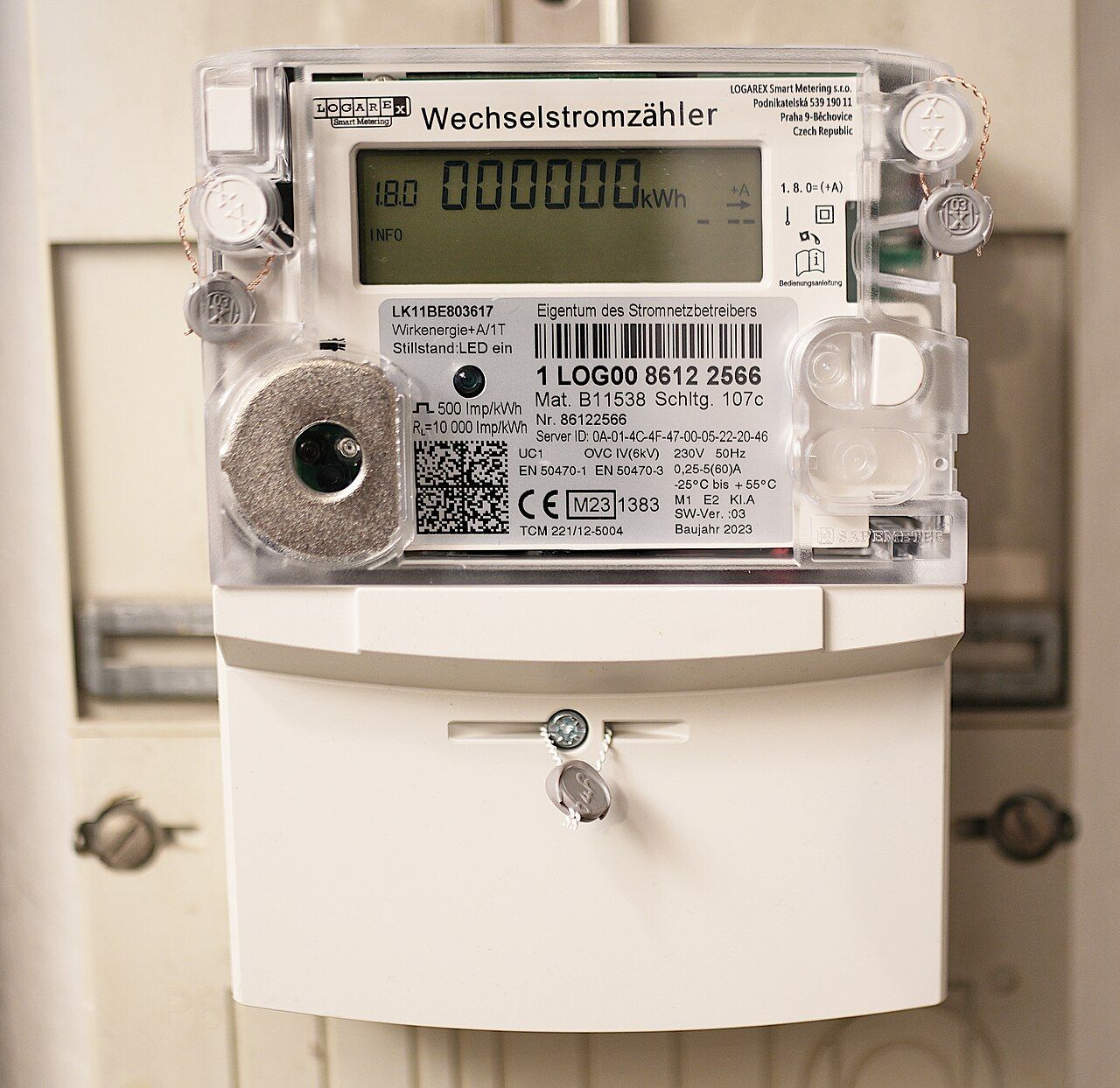
On a sunny afternoon, electricity on the wholesale market in parts of Europe can trade below zero. The bills that land in households' letterboxes, though, have outpaced pay rises. From 2019 to 2024, household power prices across the EU went up by 36 percent on average, the International Energy Agency (IEA) reports. In the same years, a two-earner couple with two children saw net earnings grow by 25 percent, and general inflation reached 22 percent.1
Where the money goes
Only part of the bill pays for the power itself. According to the IEA, the energy component has come down from its crisis high but remains above where it was in 2019, and a large slice of household bills goes on network charges, taxes and other fees. Many countries also tax electricity more heavily than natural gas, a choice that makes it less appealing to switch heating, cooking or hot water over to electricity.1
On the wholesale market, gas still largely sets the price. The average EU wholesale power price went up by about 10 percent in 2025, to roughly 95 US dollars per megawatt hour, moving in step with a 9 percent increase in the gas price at the Dutch trading hub.1
The German bill illustrates the split. The energy industry association BDEW puts the average household price so far in 2026 at 37.3 cents per kilowatt hour:3
- Procurement and sales: 15.4 cents
- Grid fees: 9.2 cents, which is 1.7 cents below last year because the federal government now subsidises transmission grid fees
- Taxes, levies and surcharges: 12.6 cents
Taken together, grid fees, taxes and levies are more than half of what households pay. Higher wholesale prices since the Iran war began are now feeding into tariffs offered to new customers, the BDEW adds.3
Germany, Austria and Switzerland compared
Eurostat figures for the first half of 2026 show EU households paying 28.3 euros per 100 kilowatt hours on average, taxes included. Germany, at 36.2 euros, was beaten only by Ireland, at 38.7 euros. The Austrian price was 32.6 euros. Hungary, at 11.4 euros, was the cheapest in the EU.2 Compared with a year earlier, prices in Germany were down 5.7 percent.2
Under the current billing system, Austria's households can expect grid fees to drop by an average of 3.6 percent in 2027, according to a draft from the regulator E-Control. A household that uses 3,500 kilowatt hours a year would save around 15 euros; under the new capacity-based tariff, the average saving would be 5.7 percent, or about 24 euros. The current flat charge is to give way, by mid-2028 at the latest, to a capacity charge linked to peak use. Regional differences are large: under the existing system, Lower Austria's fees drop by 12 percent, while Carinthia's go up by 9.6 percent.4
In Switzerland, tariffs are set once a year. The regulator ElCom says a typical household consuming 4,500 kilowatt hours will pay a median of 26.5 Rappen per kilowatt hour in 2027, which is 1.2 Rappen less than in 2026. That works out to a fall of about 4 percent, or 1,194 francs a year. The energy part of the tariff drops from 12.11 to 11.35 Rappen, but the grid tariff goes up from 10.73 to 10.94 Rappen.5 According to ElCom, the steep rise in wholesale prices that followed the start of the Iran war in March 2026 barely shows up in the 2027 tariffs and may only be felt in the years after.5
Why prices could rise again
Changes in wholesale prices take time to reach households, since many have fixed-price contracts and suppliers buy their power ahead of time. "I do expect households could face higher energy bills in the second half of 2026, but more so in the first half of 2027," Xiaoyi Mu, who directs the Centre for Energy, Petroleum and Mineral Law and Policy at the University of Dundee, told Euronews.2 In the EU capitals covered by the Household Energy Price Index, electricity prices went up by 4.2 percent from February to September.2
Meanwhile, more and more cheap power goes unused at the wholesale level. Prices in Germany, France, the Netherlands and Spain dropped below zero in about 6 percent of all hours in 2025, which the IEA reads as a sign that the power system is not flexible enough.1
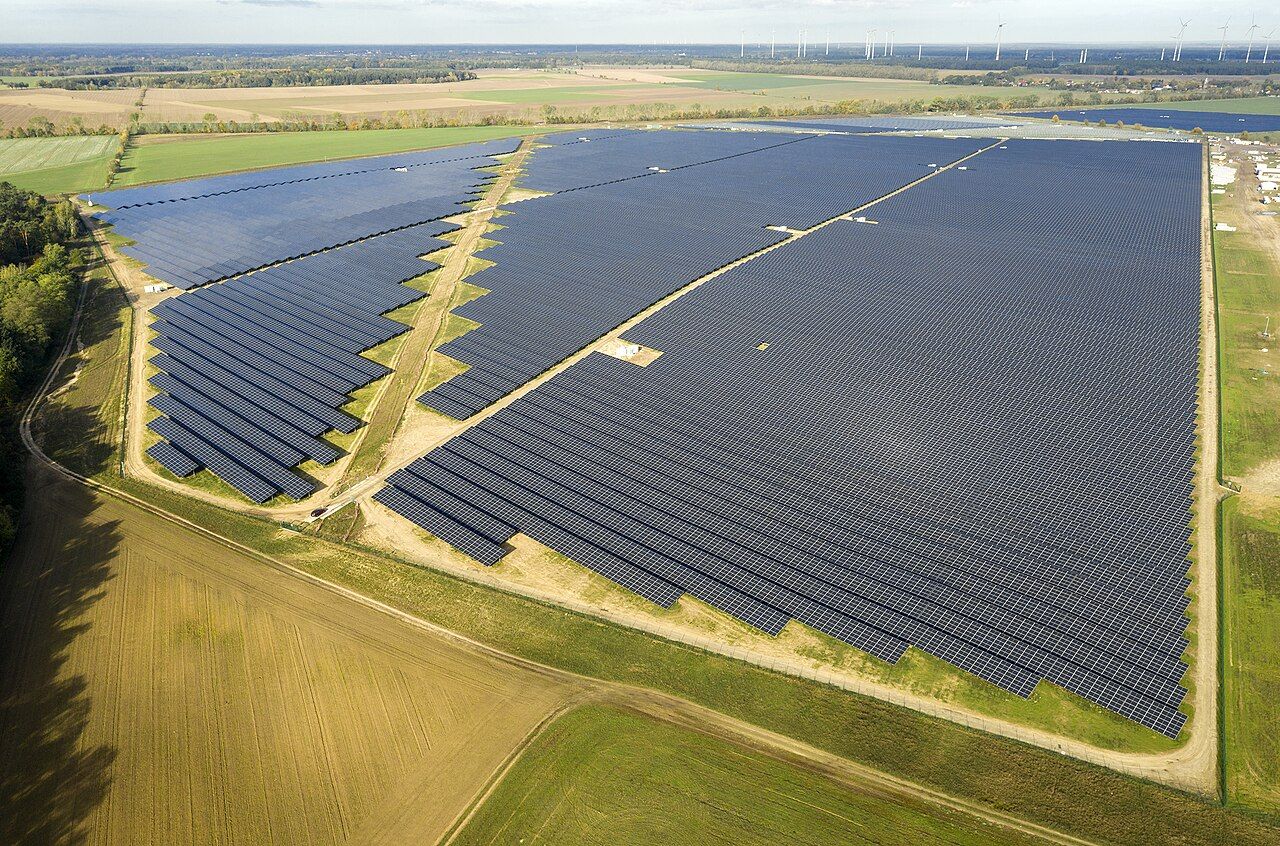
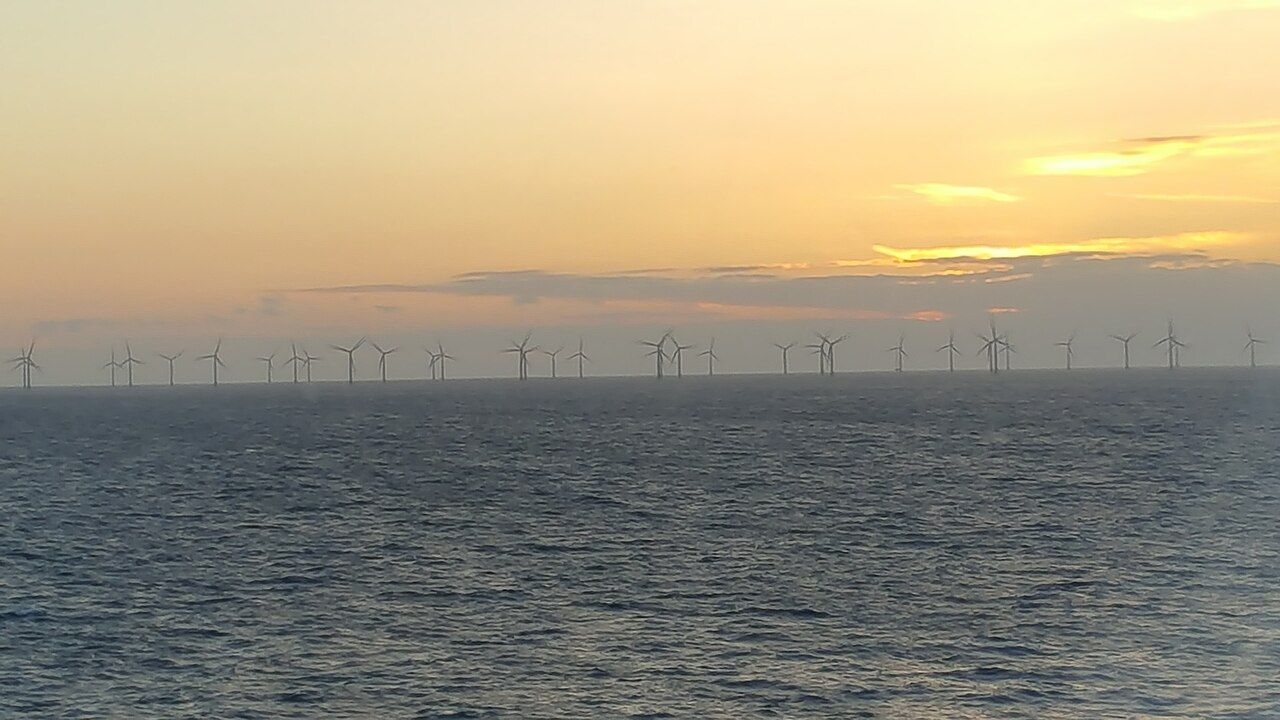
Cheap generation does not by itself produce cheap bills. Grids, taxes and the ability to use electricity when there is plenty of it matter just as much for what households pay, and governments are increasingly looking to market and regulatory reforms to make power more affordable, according to the IEA.1
Sources
- IEA: Electricity 2026, prices chapteriea.org
- Euronews on Eurostat household prices, first half of 2026 (12 Nov 2026)euronews.com
- BDEW electricity price analysis, autumn 2026bdew.de
- ORF: Austrian grid fees to fall in 2027 (29 Oct 2026)orf.at
- ElCom: electricity prices 2027 (8 Sep 2026)admin.ch
Found an error? We correct it and note the change. Corrections policy