The Wrecking-Ball El Niño: What a Possibly Record Event Means for the Months Ahead
No event on record has seen the Pacific warm like this. Forecasters differ on how powerful it will become, yet they share a view of the risks: drought, flooding, hunger and rising food prices that last well into 2027.
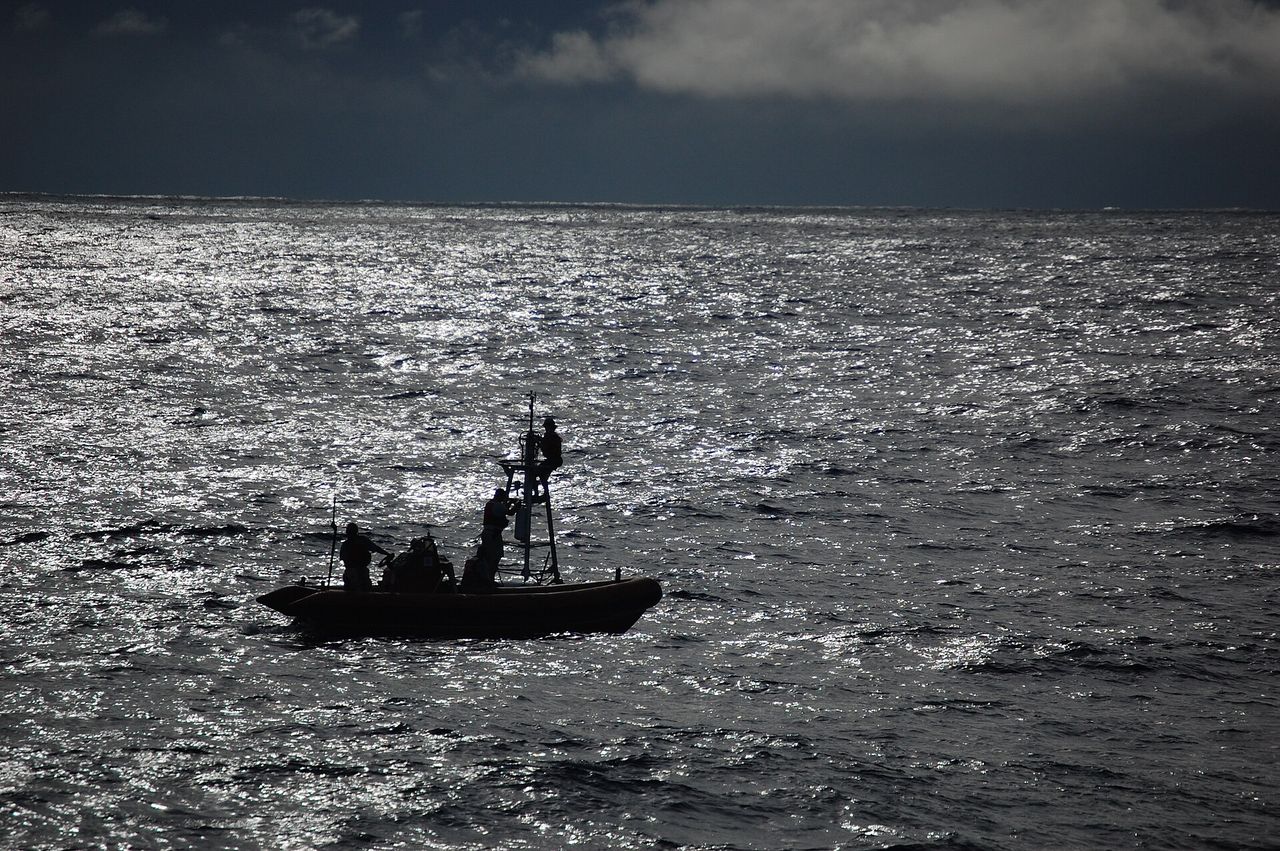
In the tropical Pacific, an El Niño has been gathering strength since August, and it has drawn unusually stark words from forecasters. "El Niño is being supersized before our eyes," UN Secretary-General António Guterres said in September.1 UN relief chief Tom Fletcher was blunter still in October: "This El Niño is a behemoth. It is a wrecking ball."5
How Strong Will It Get?
El Niño is gauged by how much sea surface temperatures depart from normal in one strip of the equatorial Pacific, known as the "Niño 3.4" region. A three-month average more than 0.5 °C above normal counts as El Niño; from roughly 2 °C upward, an event is classed as very strong.56
The two forecasts that matter most do not agree:
- The US National Oceanic and Atmospheric Administration (NOAA) recorded a monthly value of +2.5 °C in its discussion of 12 November. It sees a strong-to-very-strong El Niño as likely through January–March 2027 and, for the October–December and November–January periods, gives a historic event, stronger than any since 1950 on the three-month average, a probability of about 60 percent.2
- The World Meteorological Organization (WMO) says anomalies could reach up to 3.8 °C between November and January, which it says is a level never seen in its records.5 By way of comparison, the extreme events of 1982–83 and 2015–16 both peaked at close to 2.6 °C.6
That distinction is important: 3.8 °C is a possible peak, not a measured one. The two institutions agree that the peak will arrive around the turn of the year and that the effects will be felt well into 2027. The WMO rates the chance that El Niño will continue until at least February 2027 at nearly 100 percent.1
A Natural Phenomenon on an Overheated Planet
Climate change does not cause El Niño. What it does mean is that this El Niño arrives on a planet already holding record amounts of heat. The WMO says the global surface temperature from January to September 2026 stood about 1.47 °C above pre-industrial levels, and ocean heat content looks set for a tenth record year in a row.34 "El Niño doesn't add new heat to the planet. It releases heat from the ocean, which is the warmest ever measured," says WMO Secretary-General Celeste Saulo.3
The UN reports that, for the first time, the World Health Organization has classified the expected health impacts of El Niño as a health emergency.3
Where the Impacts Will Hit
The WMO's outlook follows the textbook pattern of a strong El Niño, and the effects differ sharply from region to region:
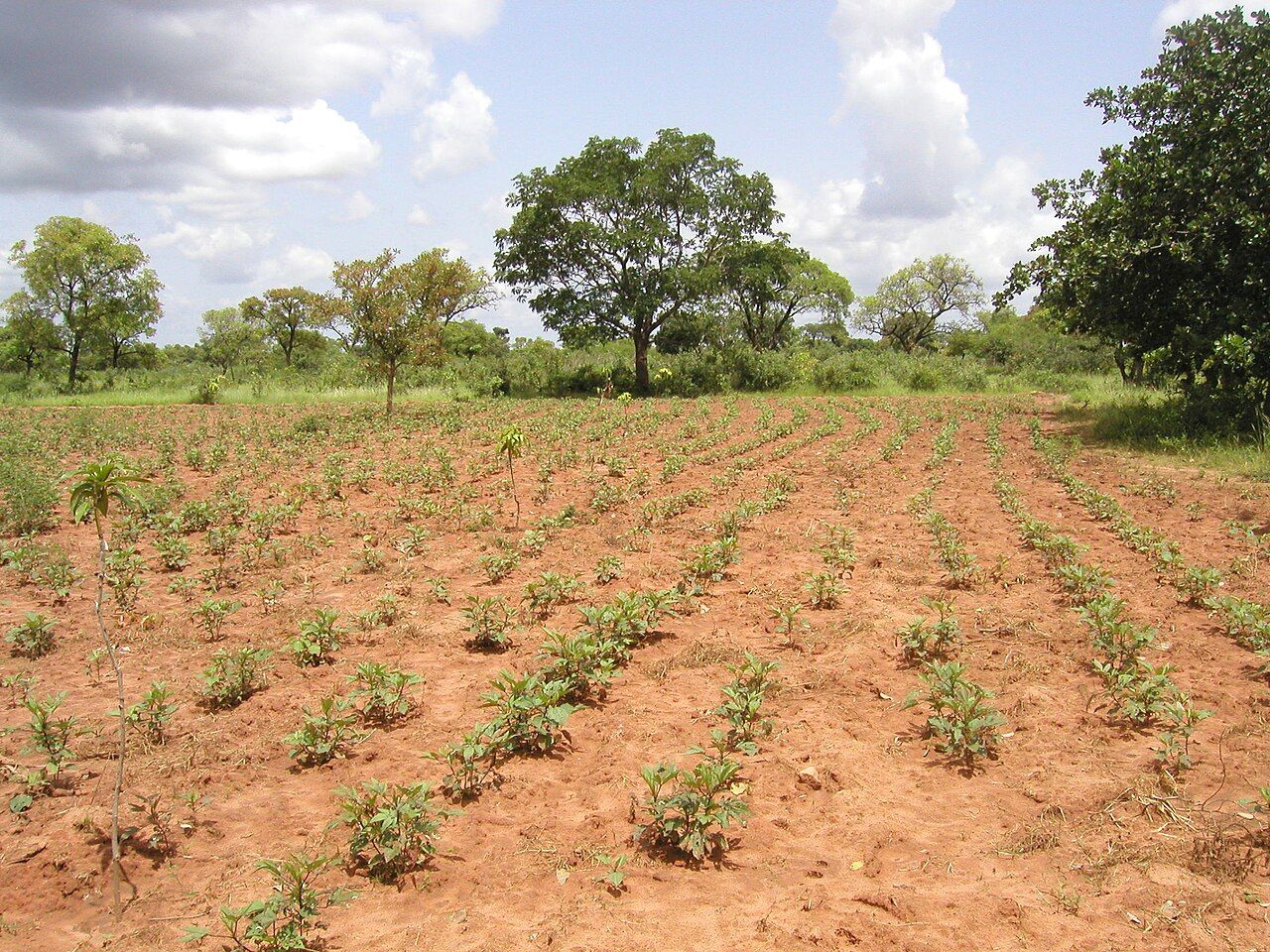
- Higher drought risk: Central America, the southern Caribbean, the Amazon, southern Africa (drier from November, putting crops and water supplies at risk) and Southeast Asia, where more heat, wildfires and smoke are likely.5
- More rain and flooding: East Africa through December, the US Southwest, eastern North America and the northern Caribbean.5
The human cost could be severe. Fletcher says up to 50 million people could go hungrier. The African Development Bank puts the bill for African countries at 10 to 20 billion US dollars and expects it to lower their GDP by one to two percent.5
And Europe?
El Niño has only a weak direct effect on Europe's winter weather. Europeans will notice it through global trade instead. Water levels at the Panama Canal are dropping, so the authority there is restricting how many ships pass and how big they can be. Steven Paton, a biologist at the Smithsonian Tropical Research Institute who has tracked the weather there for almost 40 years, says what he is now observing "has already begun to exceed anything that we have measured here in over a century."6
Food prices are the other channel. Procurement analysts at the consultancy Beroe expect fresh produce to react first, wheat and rice within three to six months, and processed foods and edible oils six to twelve months later, which carries the effect into 2027. Cocoa is already getting more expensive after poor harvests in West Africa.7
What Comes Next
NOAA will publish its next ENSO discussion on 10 December.2 The monthly figures up to January will show whether the record is broken. This much is already clear: even if El Niño weakens in spring, its effect on global temperatures can be most pronounced in the year after it forms.1 That puts 2027 firmly in the running to become a new record year.
Sources
- WMO: El Niño set to become very strong (Sept. 2026)wmo.int
- NOAA CPC: ENSO diagnostic discussion, 12 Nov 2026cpc.ncep.noaa.gov
- UN News: WMO State of the Climate Updatenews.un.org
- WMO State of the Climate Update for COP31wmo.int
- Weather.com on the WMO winter outlookweather.com
- The Conversation: Steven Paton, Smithsoniantheconversation.com
- FoodNavigator: El Niño and food pricesfoodnavigator.com
Found an error? We correct it and note the change. Corrections policy