COP31 Ends Without a Deal: Antalya Text Fails Over Fossil Fuels
After 44 hours of overtime, the EU, Panama, the Marshall Islands and other countries turned down a final text from which fossil fuels had disappeared. Not since Copenhagen in 2009 has a UN climate summit closed without an agreed political deal.
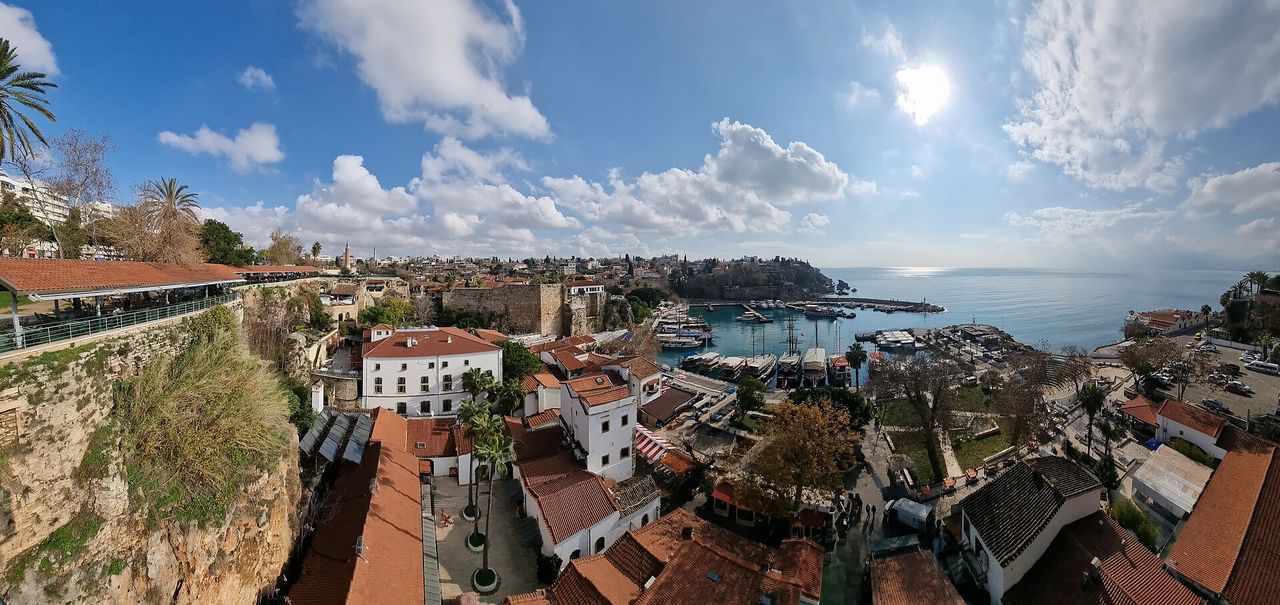
The 31st UN climate conference in Antalya has closed without a political statement at the end. On the afternoon of Sunday, 22 November, 44 hours after the summit was officially due to finish, the EU and a number of other countries turned down the last draft of what is known as the cover decision.2 Australia's ABC and other outlets called it the longest UN climate summit ever, although COP25 in Madrid in 2019 had also closed around 44 hours late.27 Copenhagen in 2009 was the previous time a UN climate summit finished without a deal that every country adopted.1
"It is clear that there are parties in this hall who oppose this text. We recognise that there is no consensus on this document. Therefore, these decisions have not been adopted," Türkiye's environment minister Murat Kurum, the COP President, told the closing plenary.4 Australia's climate minister Chris Bowen, who presided over the negotiations, described the outcome as "very disappointing."2
From Phase-Out to Silence
On 16 November, the first draft had asked for "accelerated action to phase out fossil fuels," for net zero in developed countries by 2030, and for adaptation finance to be tripled to at least 120 billion US dollars by 2035.9 Not much of that made it to the end:
- Fossil fuels: Every reference to them was cut from a leaner version published on Thursday, reportedly after objections from Saudi Arabia and other big oil and gas producers.1 The final text pointed back to the 2023 Dubai agreement, yet it did not name fossil fuels.3
- Adaptation: Developing nations were angered when the 120-billion-dollar target was taken out.5 Negotiators failed to settle on a specific dollar figure for tripling adaptation finance.8
- 35 by 35: The Turkish presidency's flagship goal stayed in the draft to the end: the share of electricity in total final energy consumption was to climb from about 21 percent today to 35 percent by 2035.3 Nothing in the text said that this electricity had to come from renewables.5 WRI says more than 70 countries supported the push, but it was left out of any negotiated outcome.8
- Carbon capture: A specific goal was added to support technology that captures carbon pollution and stores it.2 A COP would, for the first time, have recognised that warming is heading past 1.5 °C, while urging quicker development of carbon-removal technologies to bring temperatures back down later.1
- Climate science: Saudi Arabia, India and Kenya sought to push back the next IPCC reports. All the draft did was stress how much they matter for the 2028 global stocktake.5
None of the reports on the final text mention the first draft's call for net zero in developed countries or for rapid cuts in methane.
Who Objected
The countries that lodged formal objections included the EU, the Marshall Islands, Panama, Norway and Vanuatu.6 Speaking for the rotating EU presidency, Ireland's climate and energy minister Darragh O'Brien said: "We will not endorse a cover decision, or an Antalya Pact, that does not even mention fossil fuels," adding: "We will not accept a COP that greenwashes fossil fuel."1 The Marshall Islands' representative put it this way: "We will not be forced to accept false solutions."6
Far more countries put consensus first and would have gone along with the text, many of them grudgingly. Russia and Saudi Arabia backed keeping any explicit reference to fossil fuels out.2 A member of the Saudi delegation argued that "it makes no sense that solutions, concrete solutions... will be taken off the table."4
The way the talks were run also came under fire. Antwi-Boasiako Amoah of Ghana, who chairs the African Group of Negotiators, told the presidency: "With all due respect, Mr. President, you have not shown respect to a group of 54 countries..."3 On Saturday, after threats of a walkout, Türkiye and Australia hastily brought the EU and Saudi Arabia together for a meeting, but no compromise emerged.5
Reactions
UK energy secretary Miatta Fahnbulleh said: "This Cop sought to confront hard truths – that global warming is set to overshoot 1.5C," and went on: "It is immensely disappointing we have been unable to do so."6 Harjeet Singh, strategic adviser to the Fossil Fuel Treaty Initiative, welcomed the rejection: "This rejection shows the world will not accept going backwards."6
"The hollow outcome at COP31 was a failure of political leadership, not a failure of the Paris Agreement," said Ani Dasgupta, who leads the World Resources Institute.8 Because there was no consensus, neither the draft nor any of its parts carries formal standing.8
What Remains
Commitments made at earlier summits still stand despite the collapse.4 Away from the negotiating table, about 25 countries have by now published or announced national roadmaps for moving away from fossil fuels.7 Ralph Regenvanu, Vanuatu's climate minister, cautioned that such coalitions "cannot take the place of negotiations."7
The next climate summit is due to be held in Ethiopia in 2027.3 That is where the battle over fossil fuels, adaptation funding and the timetable for climate science will begin all over again.
Sources
- Al Jazeera: COP31 talks break down (22 Nov 2026)aljazeera.com
- ABC News: longest ever UN climate debate (23 Nov 2026)abc.net.au
- AP via Boston Globe: final draft omits fossil fuels (22 Nov 2026)bostonglobe.com
- Reuters via TimesLIVE: final draft rejected (22 Nov 2026)timeslive.co.za
- AFP via Manila Times: EU will not endorse deal (22 Nov 2026)manilatimes.net
- Middle East Eye: COP31 talks collapse (22 Nov 2026)middleeasteye.net
- Carbon Brief: DeBriefed (20 Nov 2026)carbonbrief.org
- WRI: statement on the COP31 outcomewri.org
- ABC News: Bowen releases the first draft (17 Nov 2026)abc.net.au
Found an error? We correct it and note the change. Corrections policy