Ecodemia: climate, energy and nature news

Tech
All articles →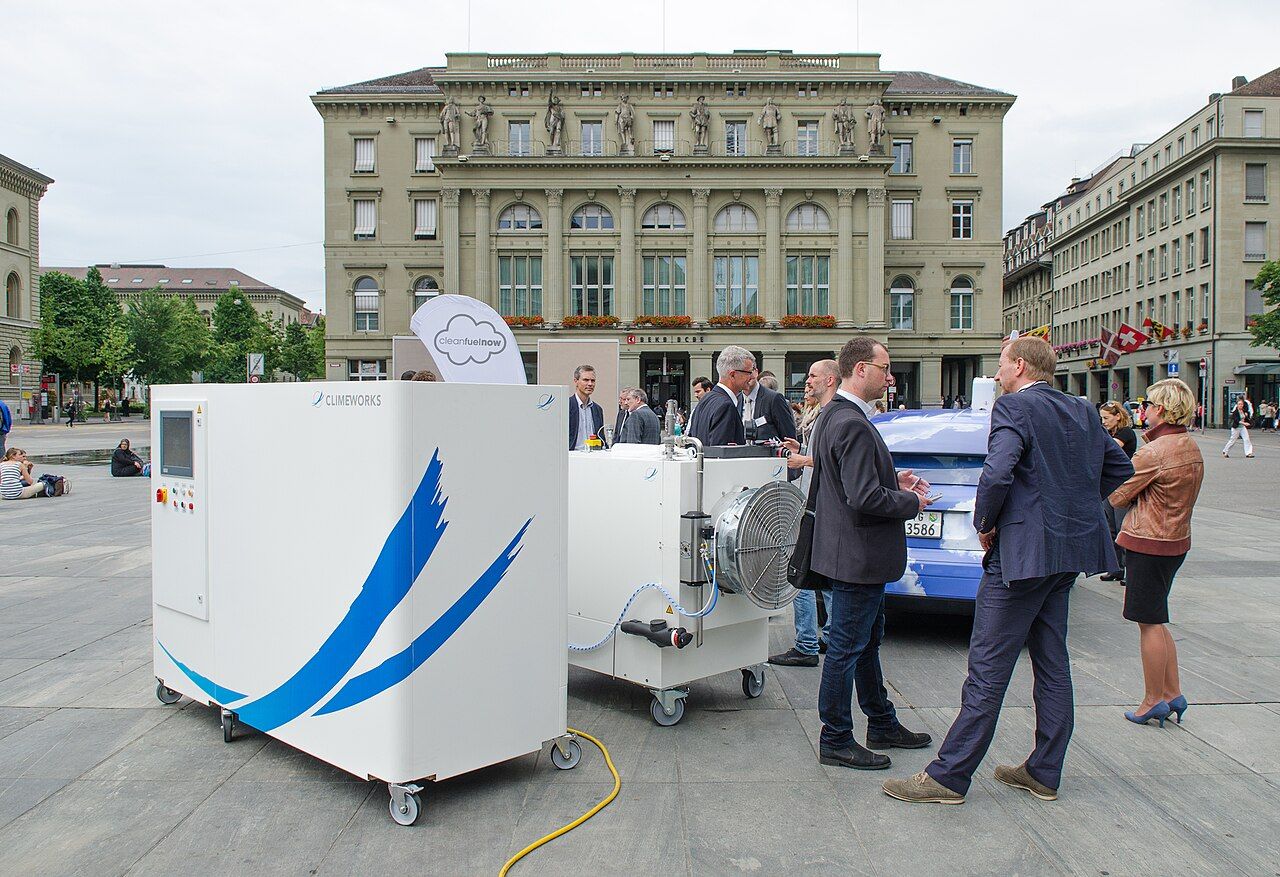
Sucking CO₂ From the Air: The Reality Check
500 to 1,900 dollars per tonne, a plant far short of its capacity and a flagship project running late: the state of direct air capture today, and why net-zero strategies still depend on it.

Salt Instead of Lithium: Sodium-Ion Batteries Go Into Mass Production
In 2025, output was under 1 percent of lithium-ion's. A 60-gigawatt-hour supply contract and CATL's plans for mass production could change that. Where sodium-ion batteries already make sense, and where they do not yet.
Energy
All articles →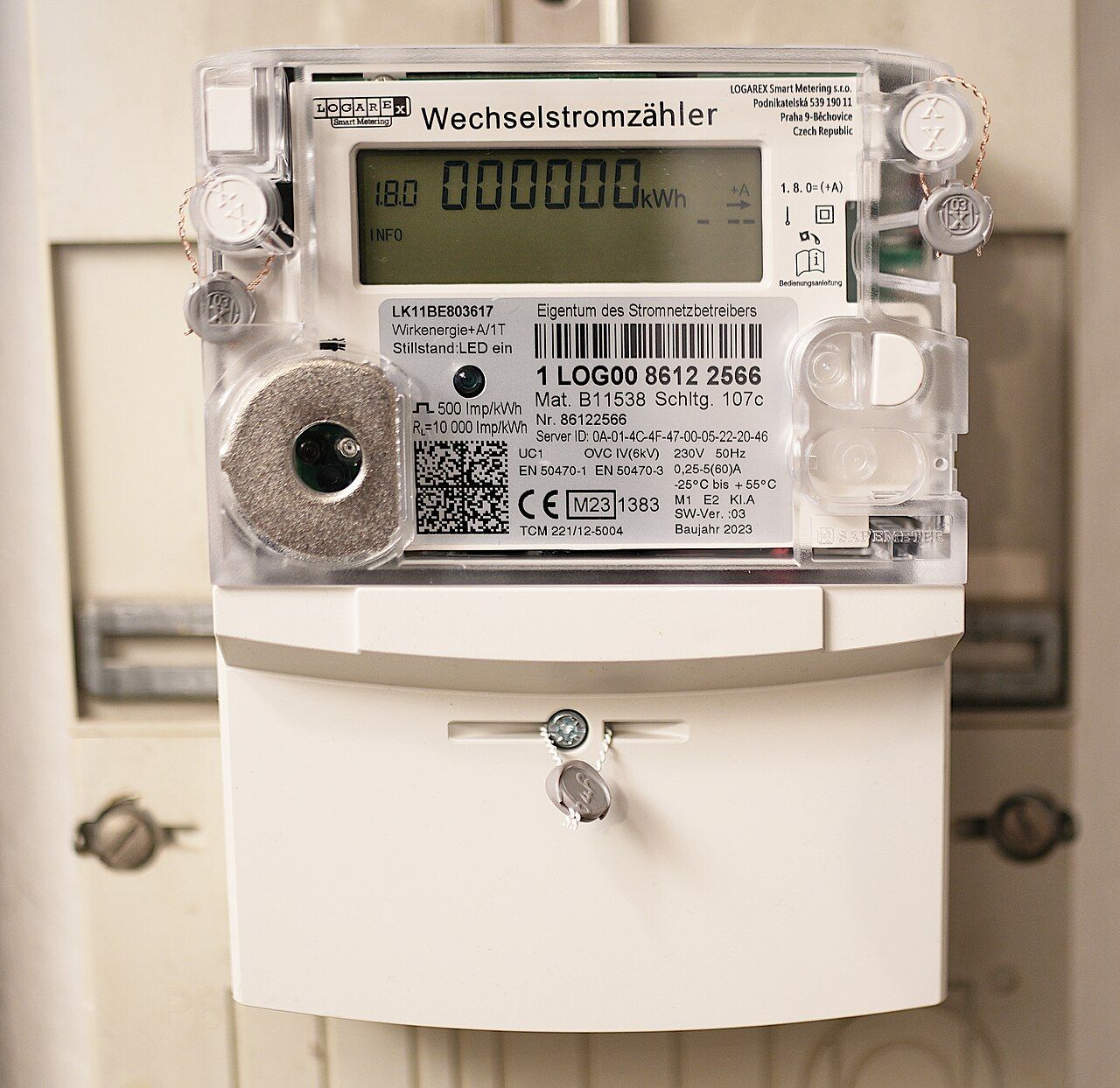
Cheap to Produce, Expensive to Buy: Why Electricity Bills Stay High
At 36.2 euros per 100 kilowatt hours, German households pay some of the highest prices in the EU. What goes into a power bill, how Austria and Switzerland compare, and why 2027 could bring increases again.
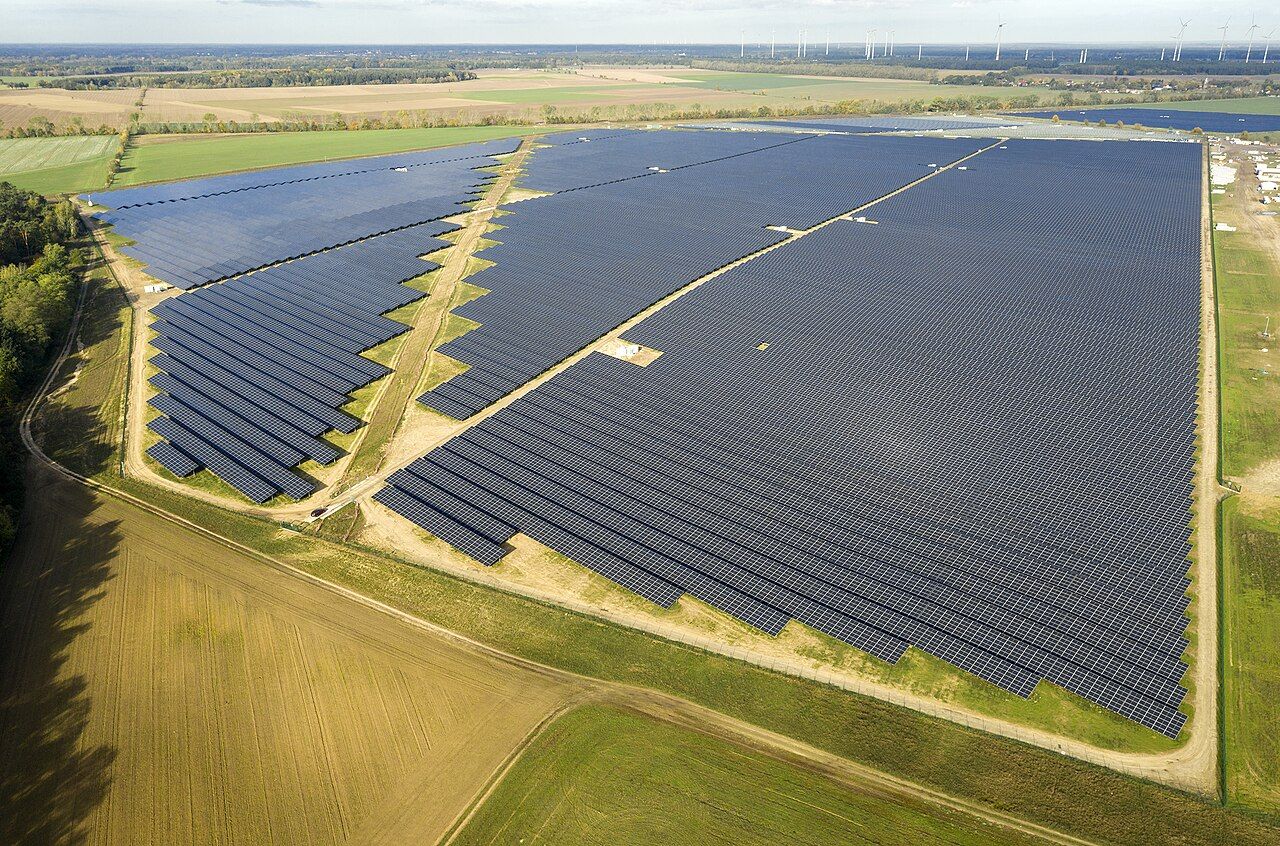
Solar Takes the Lead: The Biggest Source of New Energy for the First Time
Over 600 gigawatts of solar capacity added in one year, and the biggest jump in power generation ever recorded from a single source outside a recovery. What the IEA data show, and why the Alpine countries are losing pace.
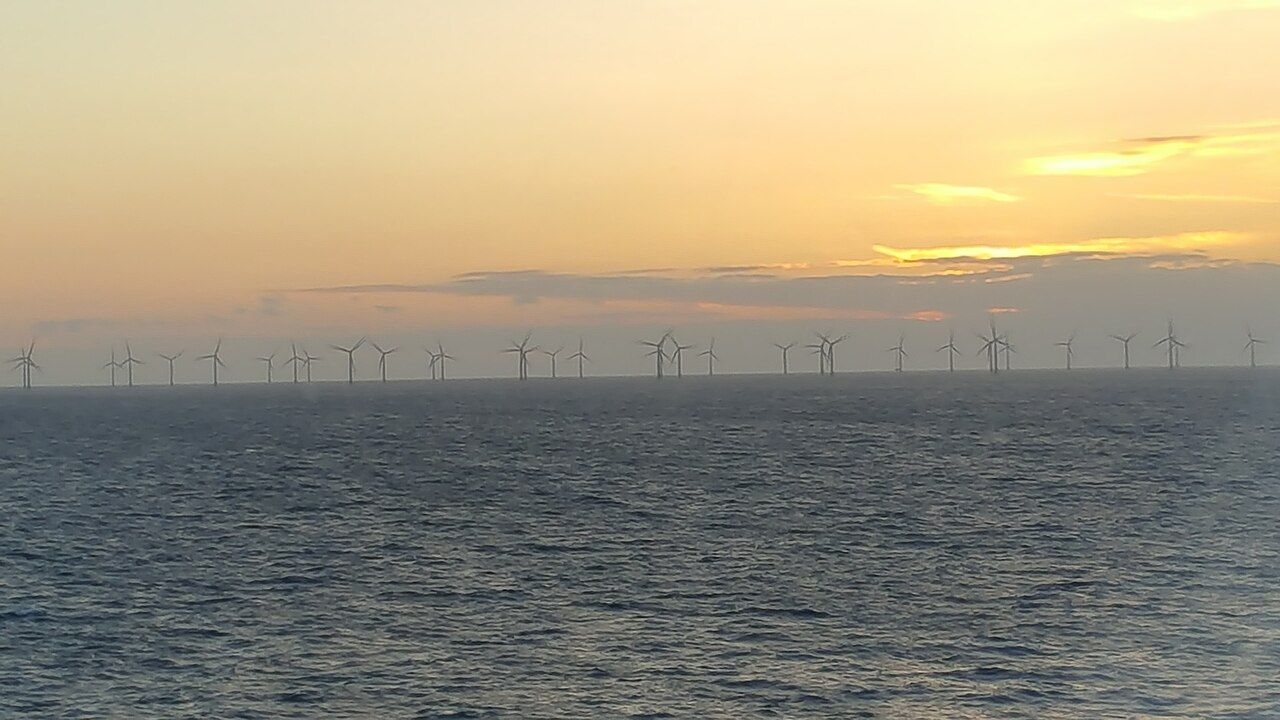
Steel Forests at Sea: The Baltic's Offshore Wind Push, Four Years In
Under the Marienborg Declaration, the Baltic was to reach at least 19.6 gigawatts of offshore wind by 2030. How far the build-out has come, what is slowing it, and why grids that cross borders are important.
Living
All articles →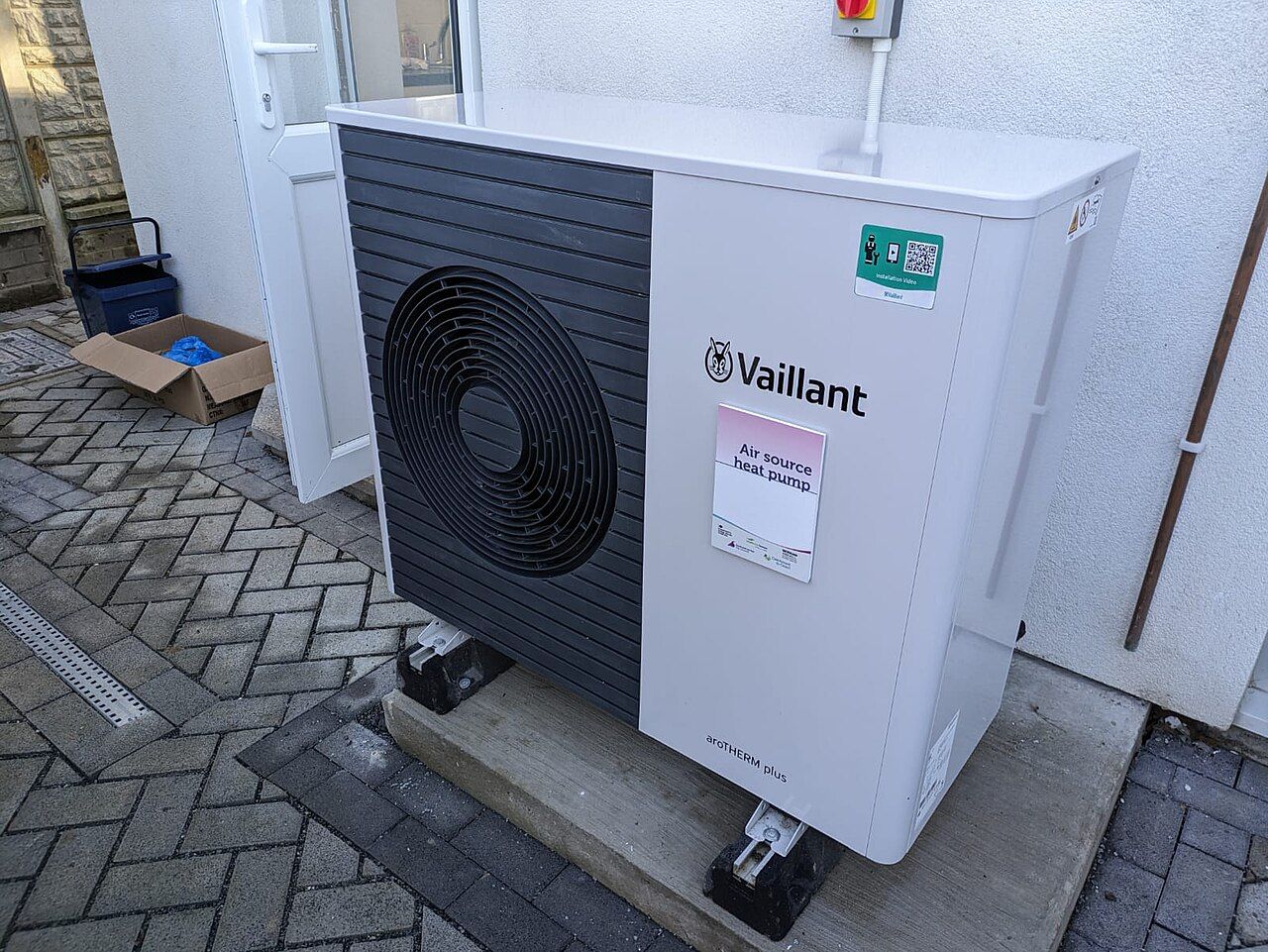
Heat Pump or Gas? What the New Rules Mean for Homeowners in Germany, Austria and Switzerland
In Germany, new gas boilers are permitted again, though from 2029 they need a growing share of green fuel. The rules, subsidies and running costs in the three German-speaking countries side by side.
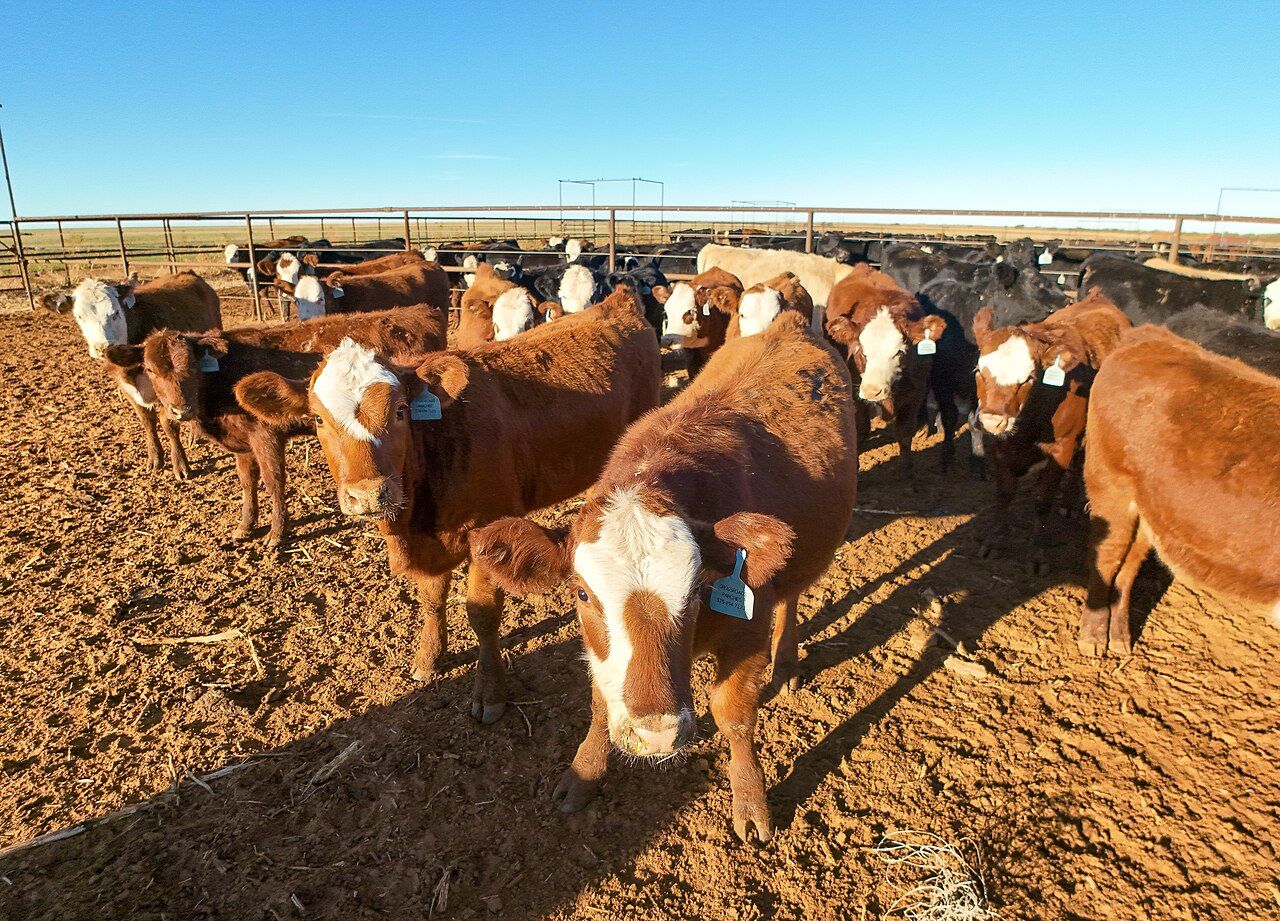
The Climate Bill for Meat: What the Numbers Say About Livestock and Emissions
Livestock causes around 12 percent of global emissions, and per gram of protein, beef emits more than 100 times as much as peas. Why feeding crops to animals wastes so much, and how policy is responding.
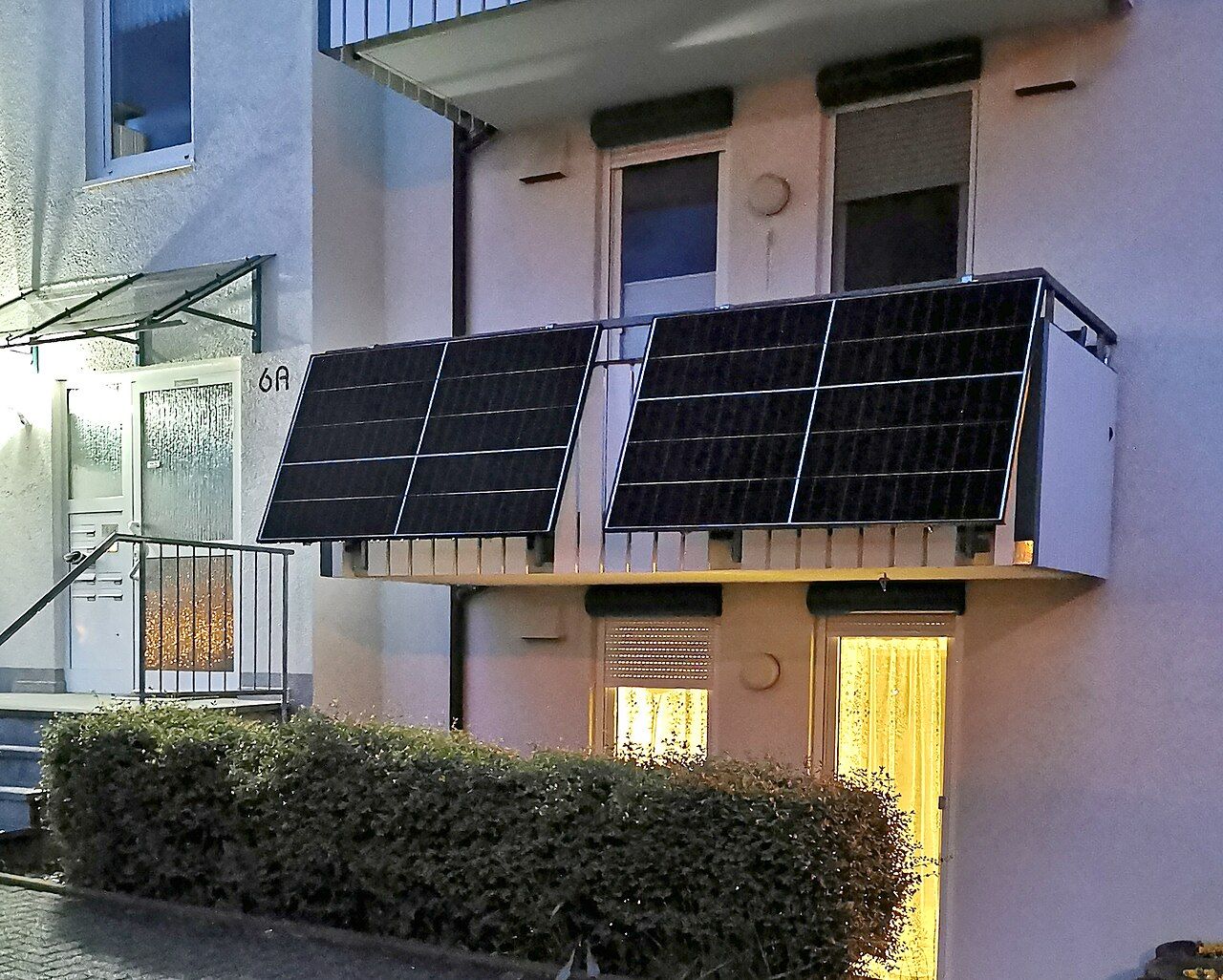
Plug-In Power: Germany Passes 1.4 Million Balcony Solar Systems
Clip a panel to the railing and plug it in: no other climate technology is quite this easy to start with. German law has smoothed the way considerably since 2024. Here are the rules as they stand in 2026.
Climate
All articles →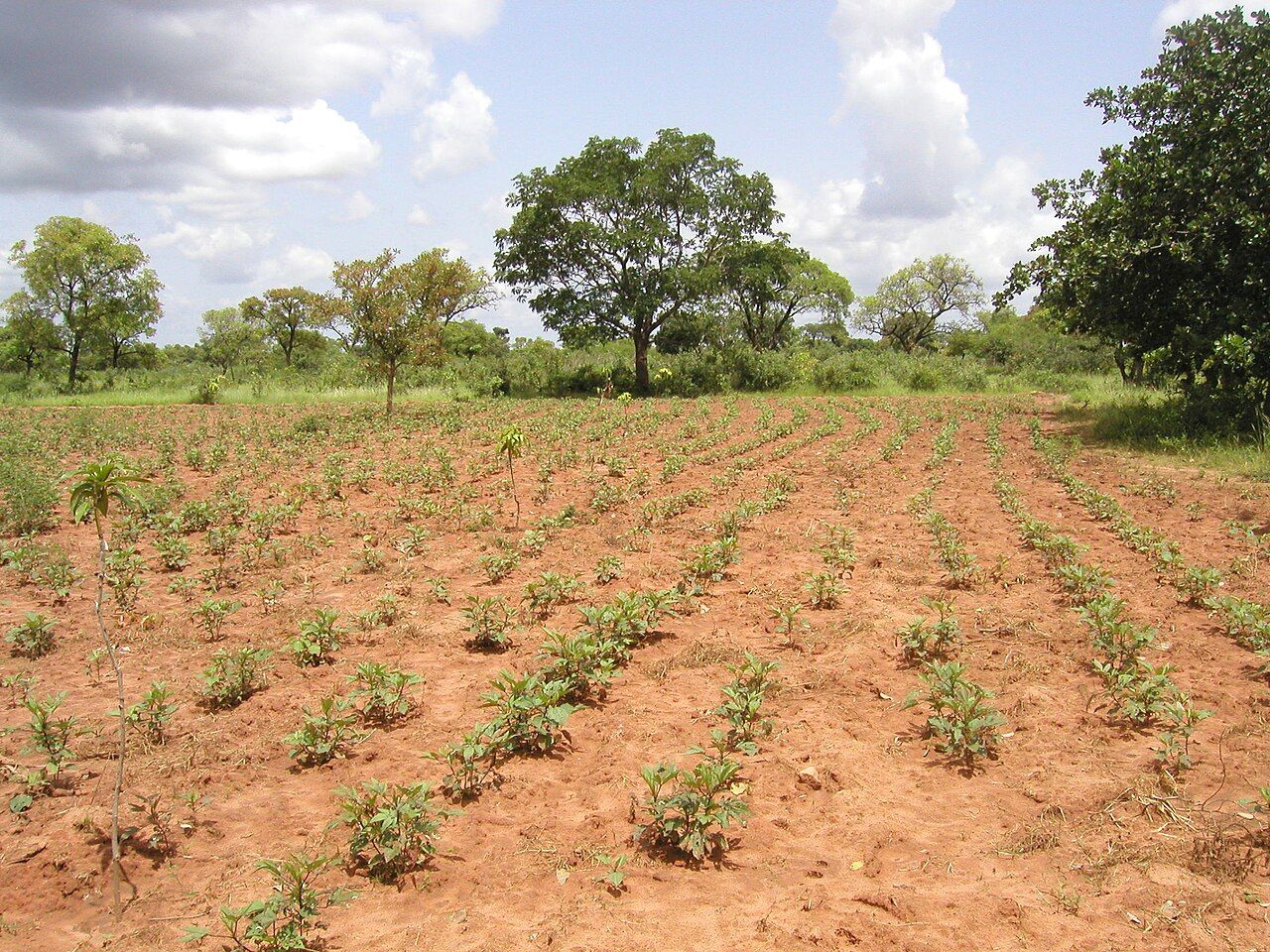
The Great Green Wall at 19: Has Africa's Barrier Against the Sahara Taken Root?
Anywhere from 1.66 to more than 20 million hectares: how much land the Great Green Wall has truly restored, why the Sahara has grown, and what became of the billions that were pledged.
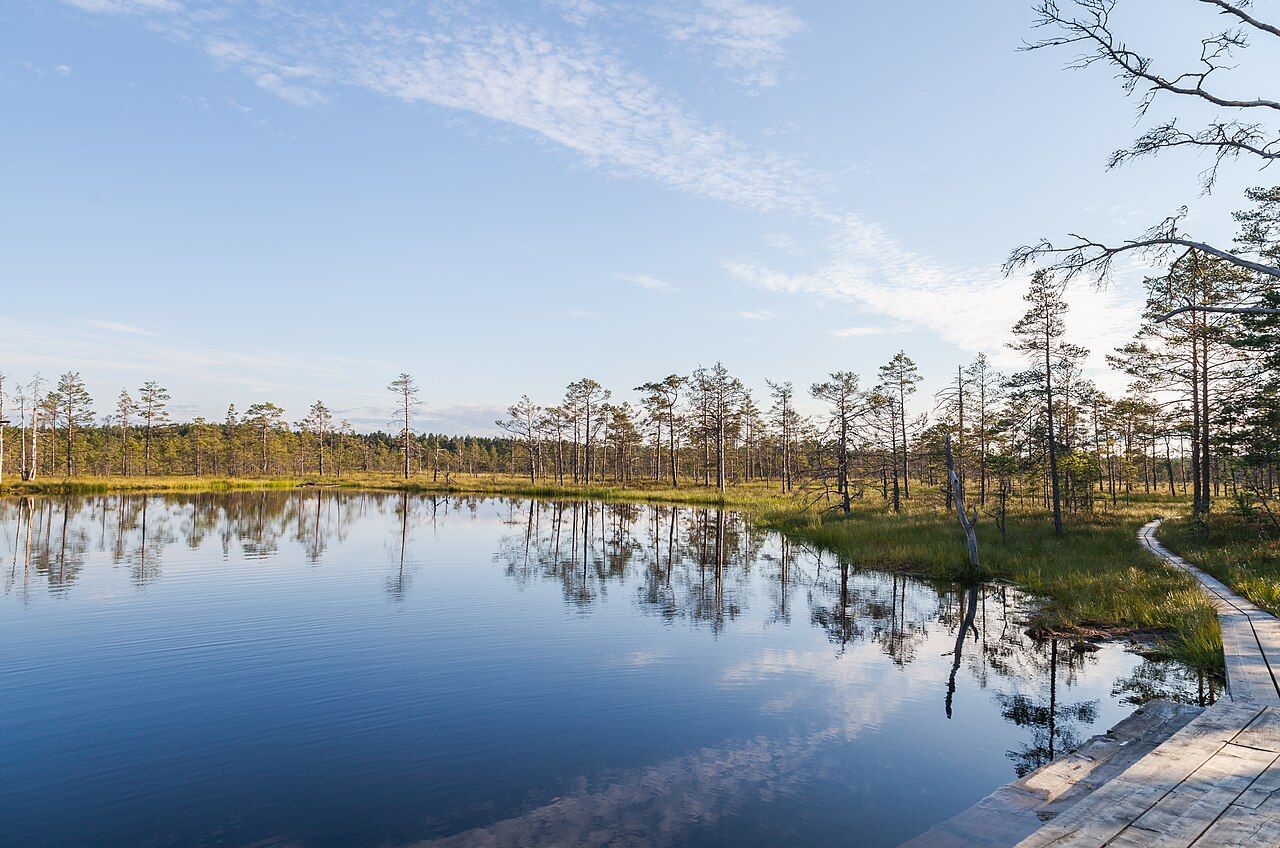
Earth's Carbon Vaults: Why Peatlands and Wetlands Matter, and Why They Are Disappearing
Since 1970 the world has lost a fifth of its wetlands, and drained peat already accounts for about 4 percent of human greenhouse gas emissions. What is at stake, and what rewetting can achieve.
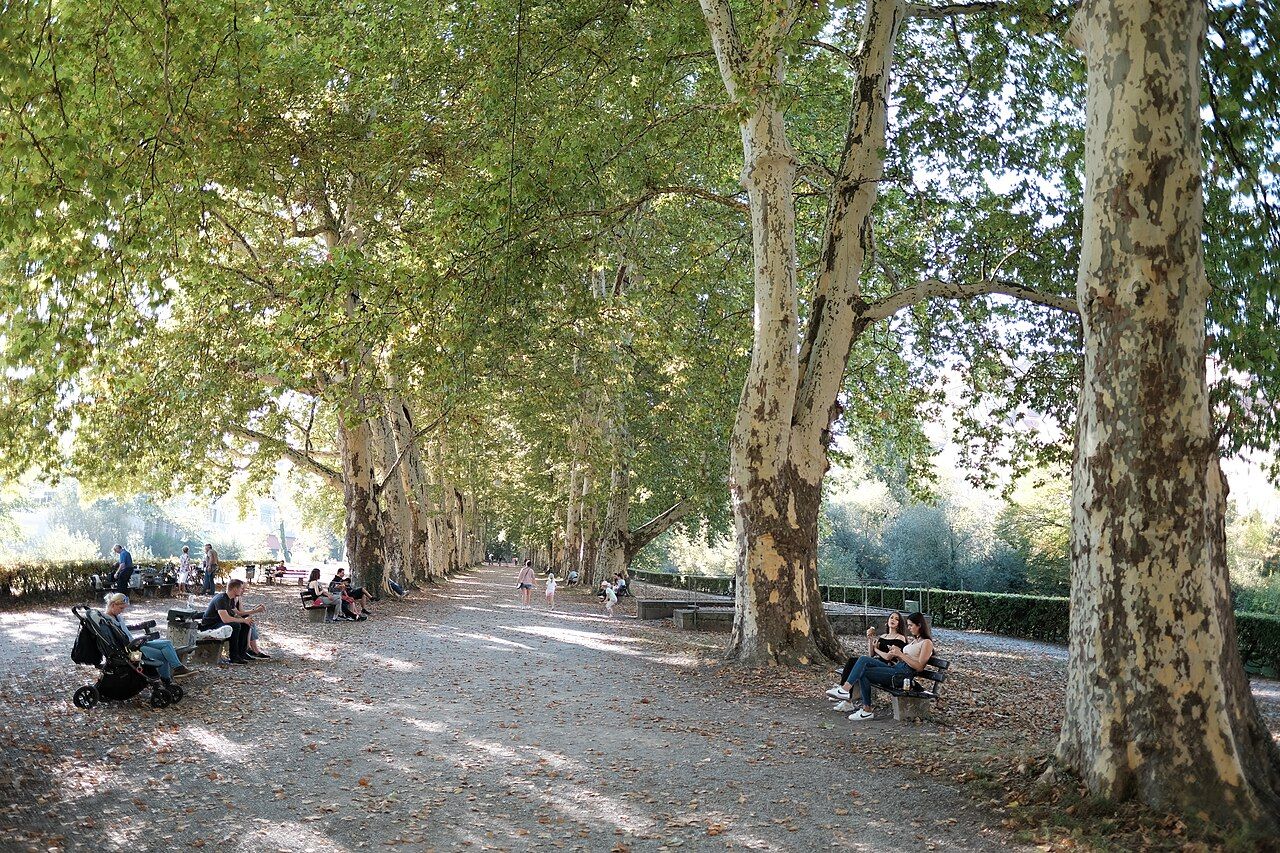
Cities in the Furnace: What Europe's Deadliest Summer Teaches About Urban Heat
By day, asphalt and concrete soak up heat; at night, when bodies need to recover, they give it off again. The toll of summer 2026, why cities intensify heat, and which measures are backed by evidence.
Wildlife
All articles →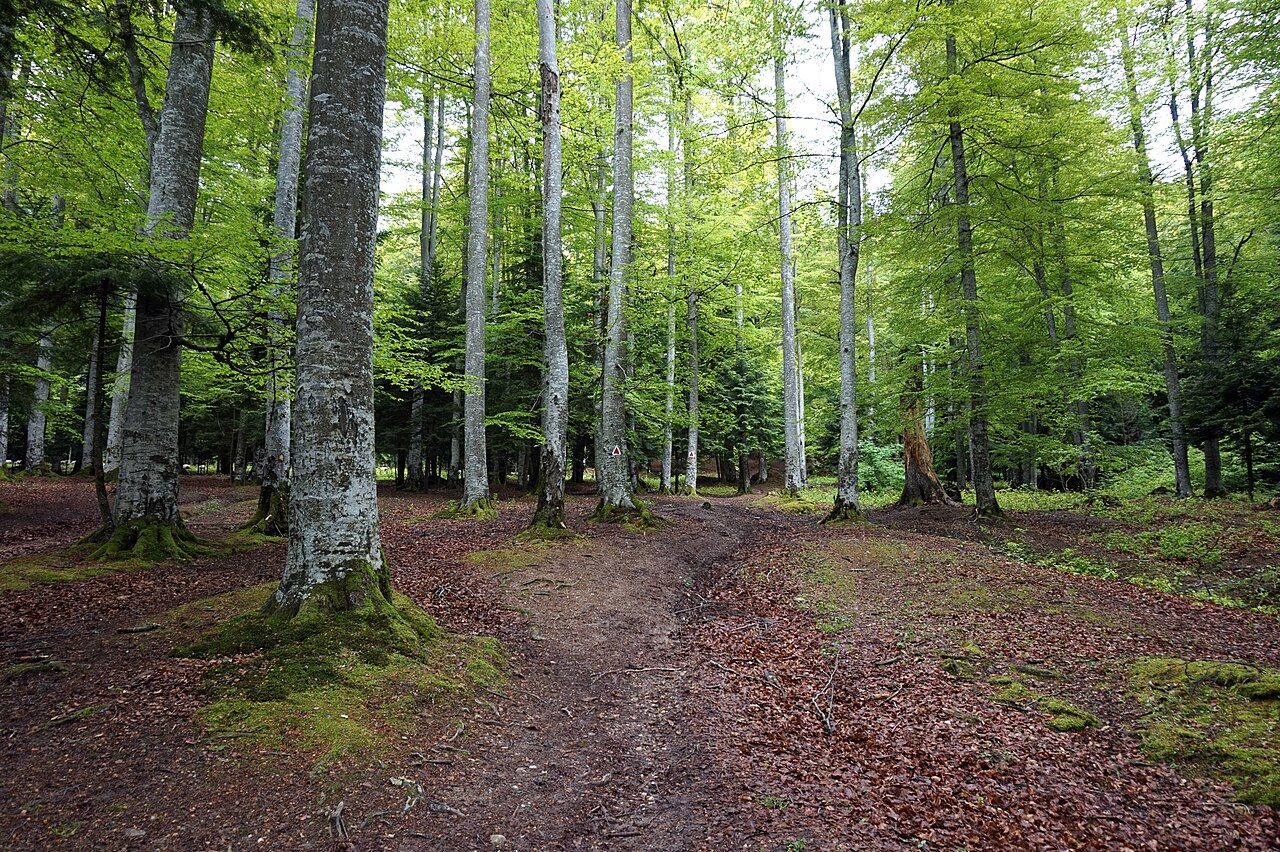
Europe's Last Wild Forests: Romania's Old-Growth Woods and the Fight Against Illegal Logging
4.7 million cubic metres taken from old forests in four years, an EU case that stalled, and a minister who says the problem was played down: where Romania's ancient forests stand today.
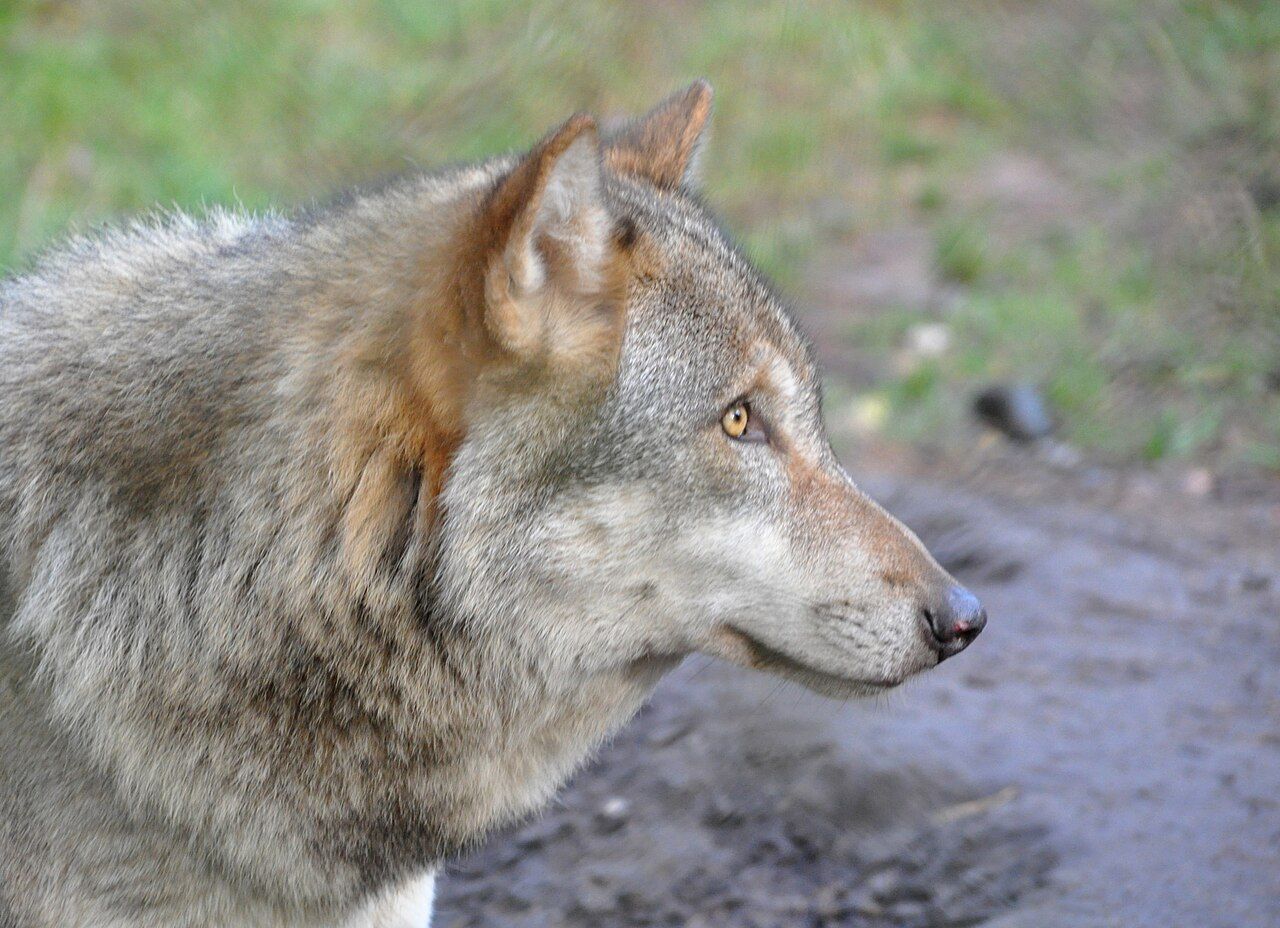
From Protected to Hunted: Germany's Wolves After the Law Changed
Hunting law has governed the culling of wolves in Germany since 2 April 2026. EU law still protects the wolf, but the federal states may now manage its numbers. An overview of the rules, the figures and the evidence.
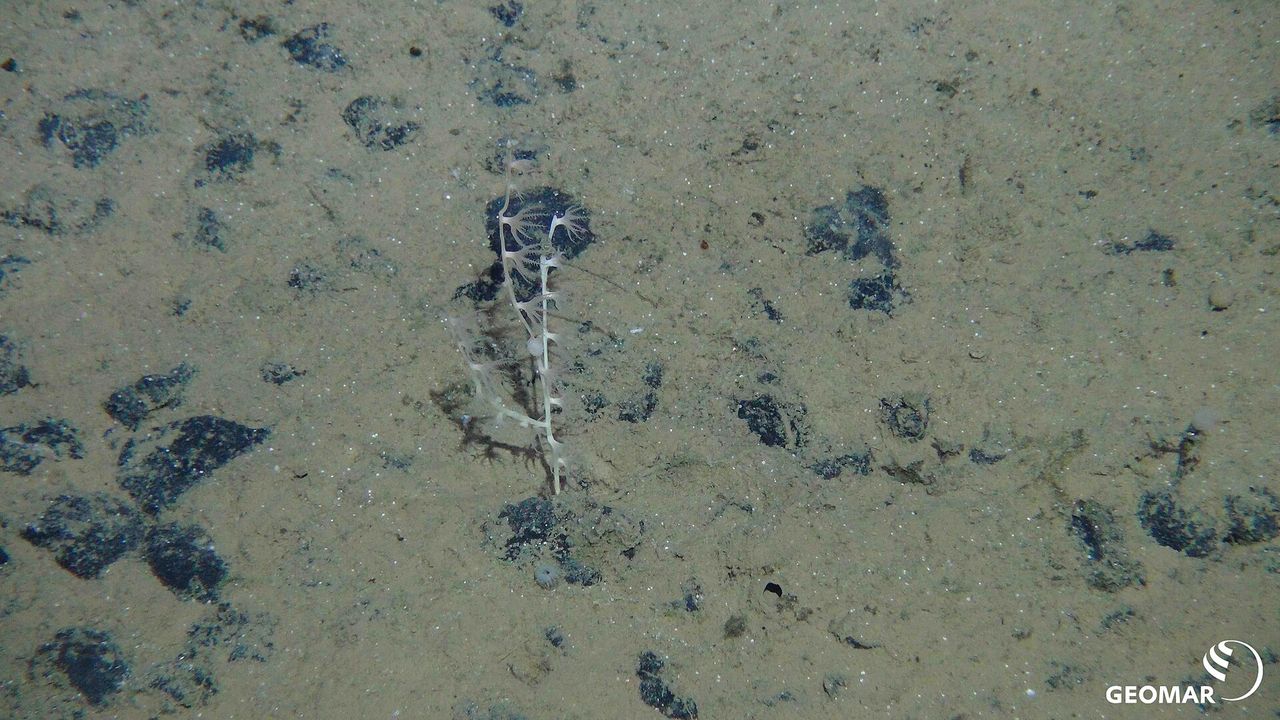
The US Goes It Alone on the Seabed
When NOAA rules on The Metals Company's application, it will be the first real test of a US route around international seabed law. What the deep sea stands to lose, and what comes next.
Policy
All articles →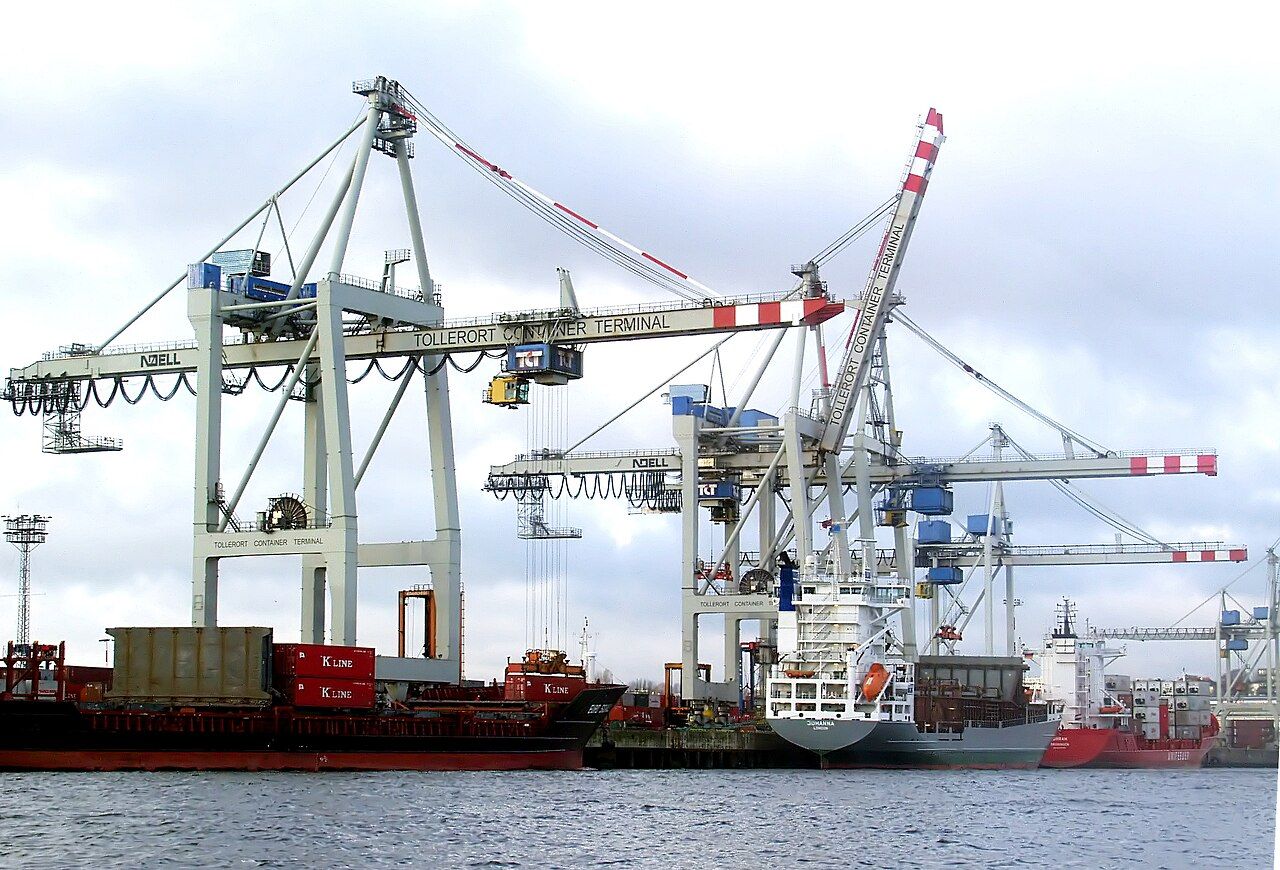
The Carbon Border, Year One: How CBAM Works, and Why the First Bill Comes in 2027
On 1 January 2026, the EU's carbon border adjustment mechanism moved into its definitive phase. What importers now have to do, when payments begin, and what Russia, China and India have against it.
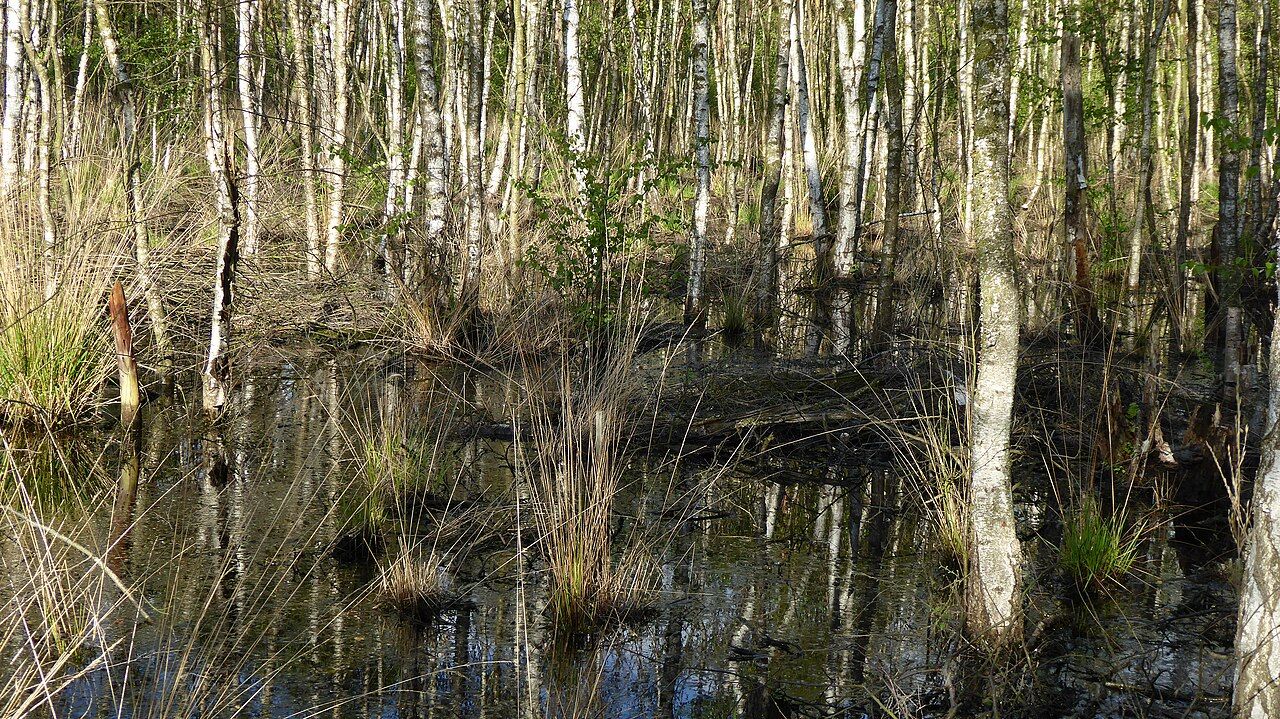
Repairing a Continent: The Nature Restoration Law Meets Its First Deadline
Peatlands rewetted, 25,000 kilometres of rivers flowing freely, urban green space with no net loss: the EU restoration law sets binding targets. The national plans are its first test, and that test is proving bumpy.
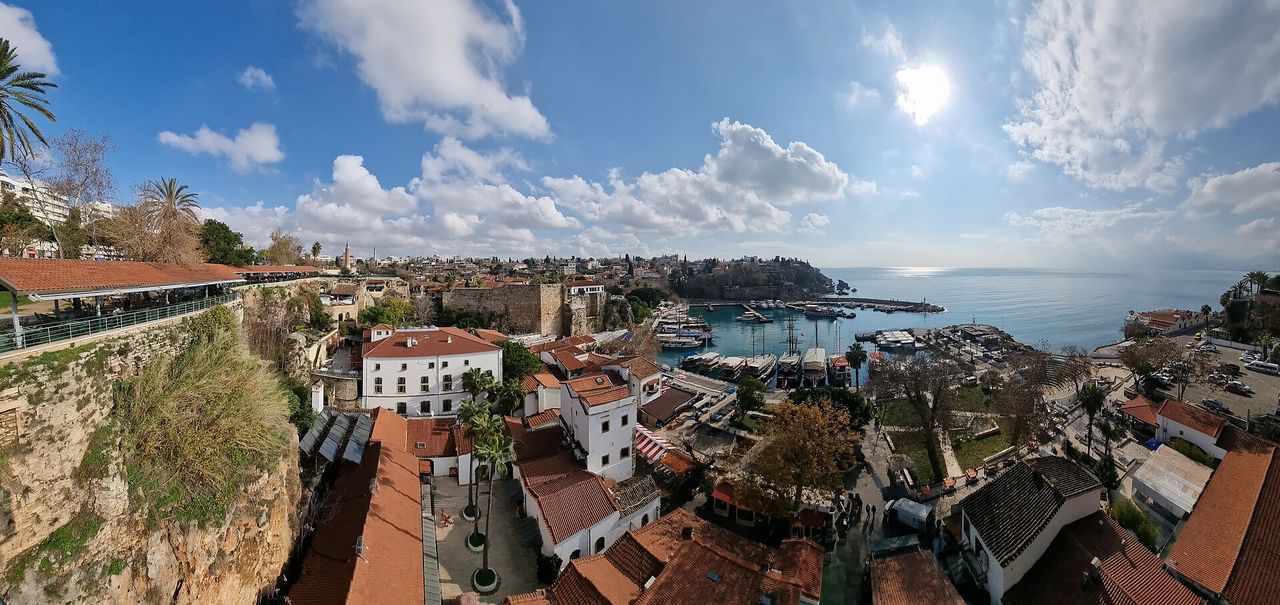
COP31 Ends Without a Deal: Antalya Text Fails Over Fossil Fuels
After one of the longest overtimes in COP history, the Antalya climate summit fell apart. How a text that once called for a phase-out ended up not mentioning fossil fuels at all, who said no, and what survives.
Live from other newsrooms
Guardian · BBC · Mongabay · Grist · CleanTechnica